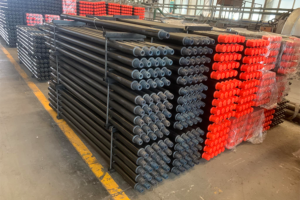
OEM vs Aftermarket HDD Drill Rods: Warranty, Liability & Performance
Hey, have a coffee. So, let’s talk about something I get asked just about every week: “Should I run OEM rods or aftermarket rods?”
Full disclosure: I work at a drill rod factory. We make rods for OEM programs and aftermarket brands so I’ve seen both sides of this fence. I’m not going to tell you aftermarket is always crap—that would be a lie. But I’m going to tell you what I wish more contractors knew before they buy.

Early on in my career I thought a drill rod was a drill rod. Steel tube, threads, finished. Then I got a call from a customer. Let’s call him Mike. Mike purchased a set of after market rods for a big river crossing. saved maybe $6,000. Day three had a rod break at the pin. It took out the subs and wrecked a reamer and the crew fished fourteen hours. “That’s normal wear,” the aftermarket supplier said, then went real quiet. The reason Mike called me was not because I sold him the rods, it was because he needed help.
That was my “aha” moment, the real cost of a drill rod isn’t the sticker price. It’s who’s behind it when it goes wrong.”
Warranty: It’s not just a piece of paper
OEM warranties usually have a process. Serial No. Traceability. Examination. Substitution Warranties on the after market? Some are great. Sometimes. Sometimes it’s a one-line email that says “limited warranty” and a P.O. box.
Pose the dull questions:
What’s included?
how long
Pro rated?
Is it voided when you mix brands?
Who pays for the freight?
What about consequential damages, like a destroyed reamer or a ruined bore?
If the seller can’t answer them in writing, that’s your answer.
Liability: The part no one wants to talk about I’m not a lawyer. This is not legal advice. But when a rod snaps and someone gets hurt or a rig gets damaged, you’re in product liability land. OEM’s usually have engineering records, quality documents and insurance. A laptop and a dream are all it takes for a fly-by-night aftermarket importer to form an LLC.
You can win a lawsuit and get zero money. So request certificates of insurance. Ask about Indemnification If they get past the question, run.
Performance: The rubber meets the rock
Rods are designed as a system. Steel grade, heat treatment, thread form, shoulder geometry, straightness, hardness, fatigue resistance. Aftermarket can be great, some aftermarket rods come from the same factory as OEM rods. But some are reverse engineered to look right and cut corners on material or heat treat. They torque up well in the yard but fail in bending fatigue downhole.
Mixing brands can be even more tricky. Thread tolerances and shoulder contact may wear out faster. It’s more than ‘will it thread on?’. It’s “will it last 100,000 cycles?”
The real discovery
Here’s what I’ve learned: it’s not OEM vs. aftermarket. It’s risk against cost.
If you are drilling a short utility job in soft soil a good aftermarket rod could be fine. If you are doing a 2000 foot river crossing under a highway, saving 5 grand on rods is not a plan. “The cheapest rod is the one that doesn’t break at 3 a.m. in a wetland.”
How to Choose — Without Getting Burned
Get specs. Not sales pitch. Steel certs, heat treating, thread gages, test reports.
Get the warranty in writing. Coverage, exclusions, payers.
Ask about indemnity and insurance cover.
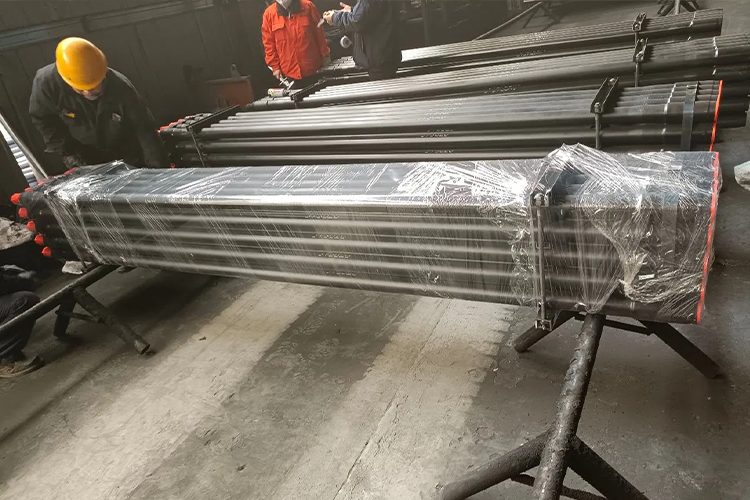
Try it on a non-critical job. Don’t just look at the sticker price, watch how much it costs per foot.
Don’t mix brands blindly. If you do, ask both the suppliers.
Purchase from people who answer the phone after the sale.
Aftermarket or OEM then? Yes. Both can work . But know what you are buying.
And if you are not sure, contact me I can geek out all day long on threads, heat treat, failure analysis. I’d rather you buy the right rod even if it isn’t mine than see you fishing one out of a bore at 2 a.m.
SHARE:
More Posts for You
- Machine Learning for Prediction of HDD Drill Rod Failure – What is Possible?
- How bad can a dogleg be ? HDD drill rod fatigue : what are the safe limits ?
- HDD Drill Rod Steel Price Impact on Costs: 2026 Market Outlook
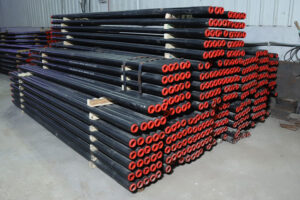
- OEM vs Aftermarket HDD Drill Rods: Warranty, Liability & Performance

- How a Bent Sub or Worn Saver Sub Impacts Your Whole Drill Rod Inventory
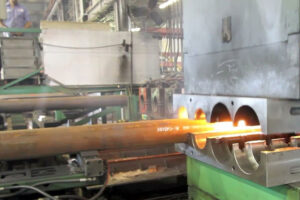
- How Much is Your Old HDD Drill Rod Worth for Scrap? (Current Pricing Knowledge)
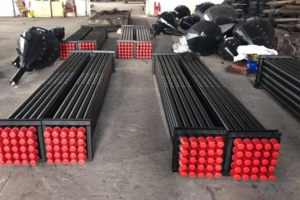
- 7 Deadly Sins of Handling HDD Drill Rods: Dropping, Dragging, Over-Speeding
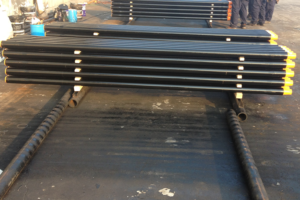
- Urban Utility Drilling: Why Shorter, Stiffer HDD Drill Rods Are Often Better