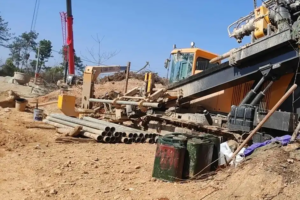
Getting the Most Out of HDD Drill Rods for My Ditch Witch JT10
Hey there, fellow drilling folks! I’ve been running horizontal directional drilling rigs for about twelve years now, and let me tell you—the little things can make or break a job.
Lately, I’ve spent a lot of time fine-tuning my setup for the Ditch Witch JT10, and today I want to share some straight talk about the drill rods that really work with this machine.
My Early Struggles with the Wrong Gear
When I first got my hands on the JT10, I figured any decent HDD rod would do. Boy, was I wrong. On one of our initial projects, we were laying pipe under a shallow driveway and hit a patch of dense, rocky clay.
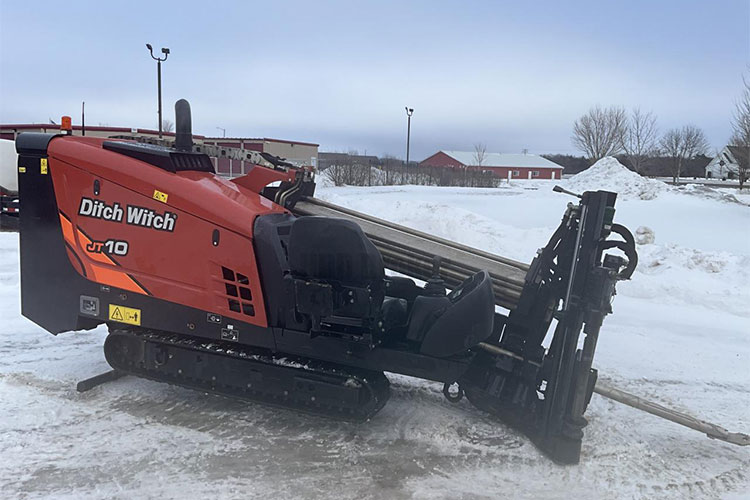
The rods I’d bought on a budget started to wobble under torque, and we had to stop twice to check for stress cracks. That downtime cost us half a day and a frustrated client. It was a hard lesson: skimping on rods isn’t worth it.
Why the JT10 Deserves Special Attention
The Ditch Witch JT10 is a nimble, tough rig—perfect for tight spaces and smaller utility jobs. I love how it balances power with maneuverability. But it’s not a brute-force machine; it thrives on precision. That means the drill rods need to match its style.
Over time, I’ve learned that the JT10 performs best with rods that offer a smooth transfer of power and can handle quick directional changes without straining.
What I Look for in Drill Rods Now
After testing a handful of brands, I’ve settled on a few non-negotiables. Durability tops the list—I only use rods made from high-grade, heat-treated steel. The threading is another big deal. I’ve had great results with double-shoulder connections because they seal tight and spread the load evenly, which reduces wear.
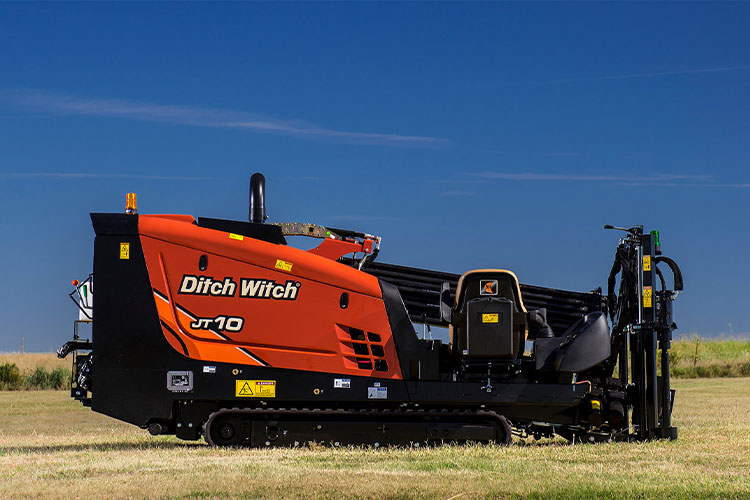
Corrosion coating is a must, especially since we often work in damp soils. Finally, I stick to rods in shorter lengths for the JT10; they give me better control in crowded urban sites.
A Real-World Test: Lessons from the Field
Last month, we had a job installing fiber optic lines across a packed suburban neighborhood. The soil changed every few feet—sand, loose gravel, then sticky clay. But the rods I’d picked held up beautifully.
One takeaway? Always do a visual check before you start. I found a tiny nick on one rod’s thread from storage, and swapping it out saved us a mid-drill headache. Plus, a quick clean after each use keeps grit from damaging the connections.
Wrapping It Up: Trust Your Tools
At the end of the day, the right HDD drill rods turn the JT10 from a good machine into a reliable partner. They’ve cut my downtime, improved accuracy, and honestly, made the workday less stressful.
If you’re running a JT10, my advice is simple: invest in rods built for its specs, maintain them regularly, and don’t be afraid to ask other operators what they use. Here’s to smoother drilling ahead—thanks for reading, and feel free to share your own experiences!
SHARE:
More Posts for You
- Treating Your HDD Drill Pipe Like a Friend (Not a Tool)
- When I Realized ZHE HDD Drill Pipes Just Click with Ditch Witch
- Get the Most Out of Your Vermeer D100x120: Why ZHE HDD Drill Pipes Are the Best
- How to Pick the Best HDD Drill Pipe for Your Ditch Witch JT60
- It’s Not Just the Vermeer Rig: Your Drill Rod Choice Changes Everything
- Keeping Your Vermeer D36x50 Happy: The Unspoken Truth About Drill Pipes
- Getting the Most Out of HDD Drill Rods for My Ditch Witch JT10
- How to Choose a Horizontal Directional Drilling Contractor