Keeping Your Vermeer D36x50 Happy: The Unspoken Truth About Drill Pipes
Hey, Let’s Talk About Your Rig’s Best Friend (Or Foe).
So, you’re running a Vermeer D36x50. Solid choice. That rig is like the reliable workhorse of the mid-range scene—powerful enough to tackle real jobs, nimble enough not to feel like overkill. But here’s what I’ve learned after five years of talking shop in trailers and on job sites: even the best rig can feel downright average if it’s not paired with the right drill pipes.
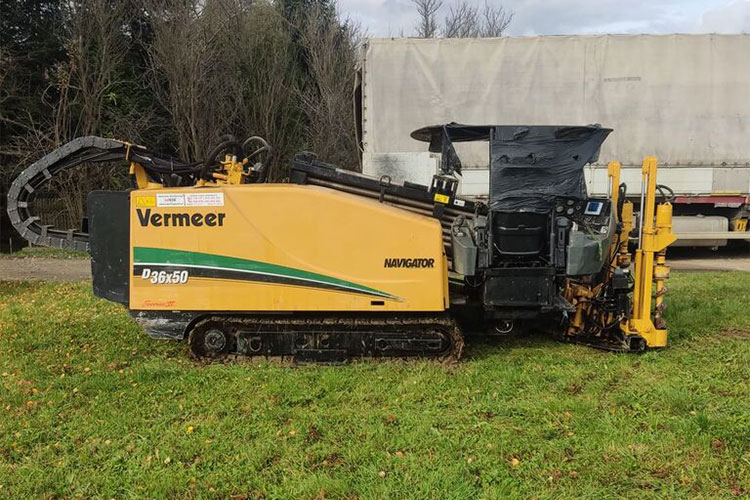
I used to think my job was just about selling tubes of steel. But it’s really more about listening to stories of frustration. Like the time a superintendent told me, “My D36x50 feels sluggish,” and after three weeks of headaches, we discovered the issue wasn’t the rig’s hydraulics… it was a batch of pipes with inconsistent wall thickness creating more drag than necessary. That was a lightbulb moment for me.
The Moment That Stuck With Me.
Early on, I had this customer—great operator, knew his rig inside out. He was doing a longer bore for fiber optics, and his team was experiencing erratic steering and weird vibration. They’d checked the locator, the mud… everything. They were starting to suspect the rig itself was failing.
Then, over a truly terrible cup of gas station coffee, he mentioned almost offhandedly that they’d added a few “legacy” pipes from an old D24x40 set to extend their string. Ding ding ding. The tool joint specs and the wear patterns were just different enough. It threw the whole string’s balance and alignment out of whack. We got him a matched, full set spec’d for the D36x50’s torque and push, and the problem vanished. The rig wasn’t the issue. The relationship between the rig and its pipes was.
That’s when it clicked: the drill string isn’t just an accessory; it’s an extension of the rig’s driveline. You wouldn’t put mismatched, worn axles on a 4×4 truck and expect a smooth ride, right?
What Does Your D36x50 “Want” in a Pipe? (Not Magic, Just Logic.)
Look, I’m not an engineer, but I’ve become a pretty good translator between machines and the people who run them. Based on all the chatter and feedback, here’s the plain-English version of keeping your D36x50 and its pipes in a good mood:
- It’s All About the Handshake. The tool joint connection is where the magic (or the mayhem) happens. For the D36x50, you need a joint that can comfortably handle its torque without being total overkill. Too heavy, and you’re wasting money and adding fatigue. Too light or worn, and you’re asking for a break. It’s about that sweet spot of “just right.”
- Consistency is Your Secret Weapon. This is the big one. Mixing old and new pipes, or pipes from different manufacturers with subtle spec differences, is like building a soccer team where half the players follow different rules. Your string is a team. A consistent, uniform set of pipes ensures the load and stress are distributed evenly. This means less sudden fatigue, better steering feedback, and honestly, just fewer surprises.
- The Boring Stuff Matters Most. I get it. Greasing threads feels like the last priority when you’re packing up as the sun sets. But a dry, sandy thread is a thread that’s wearing out ten times faster. That wear creates slop, which kills efficiency and can lead to expensive failures down the line. A quick, proper lube is the cheapest insurance you can buy.
It’s Not a Silver Bullet, It’s a Partnership.
I’m not here to tell you our pipes will make your D36x50 fly. What I will say is that the right, matched drill string lets that rig do what it was designed to do, without holding it back. You’ll feel it in smoother operation, better steering control, and hopefully, fewer of those “why is this taking so long?!” moments.
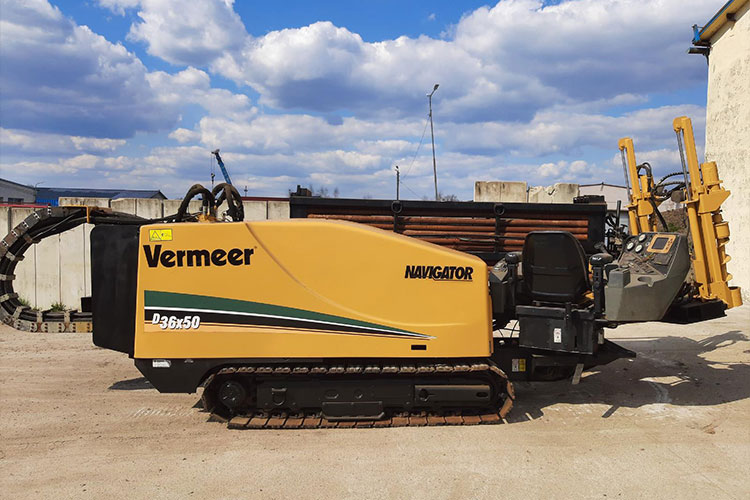
Think of it this way: your D36x50 is the heart of your operation. The drill string is the circulatory system. If the arteries are clogged or weak, the heart has to work way harder.
Next time you’re walking past your pipe rack, give it a look. Is it a matched team, or a group of strangers? The answer might explain a lot about your last few boring days.
As always, swing by the booth if you’re at a show, or shoot me a message. I love these shop-talk stories—the good, the bad, and the muddy.
SHARE:
More Posts for You
- Treating Your HDD Drill Pipe Like a Friend (Not a Tool)
- When I Realized ZHE HDD Drill Pipes Just Click with Ditch Witch
- Get the Most Out of Your Vermeer D100x120: Why ZHE HDD Drill Pipes Are the Best
- How to Pick the Best HDD Drill Pipe for Your Ditch Witch JT60
- It’s Not Just the Vermeer Rig: Your Drill Rod Choice Changes Everything
- Keeping Your Vermeer D36x50 Happy: The Unspoken Truth About Drill Pipes
- Getting the Most Out of HDD Drill Rods for My Ditch Witch JT10
- How to Choose a Horizontal Directional Drilling Contractor