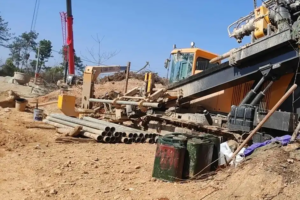
Matching Vermeer to Rods: Less Specs, More Stories from the Field
you’ve got a Vermeer rig—maybe it’s your baby, maybe it’s your headache on rough days—and you’re staring at drill rods thinking, “Which one is actually right for this job?”
I’ve been there too. In fact, let me take you back to my early days on a project near a rocky riverbank. I was so focused on the rig and the timeline that I just grabbed whatever rods were nearby. Long story short—we snapped one on the second day. Not my finest moment. But man, did it teach me something.
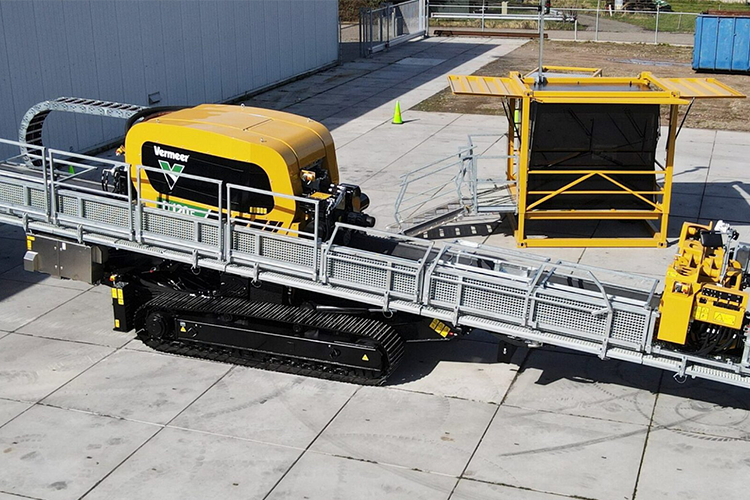
It’s not just “a drill rod”—it’s the lifeline of your HDD operation.
With Vermeer rigs, you’ve got a solid machine, but if the drill string isn’t matched right, you’re asking for trouble. I like to think of it like tires on a truck: you wouldn’t put highway tires on an off-road beast, right?
Over the years, I’ve picked up a few things—sometimes the hard way—and here’s what really matters when you’re choosing rods for your Vermeer:
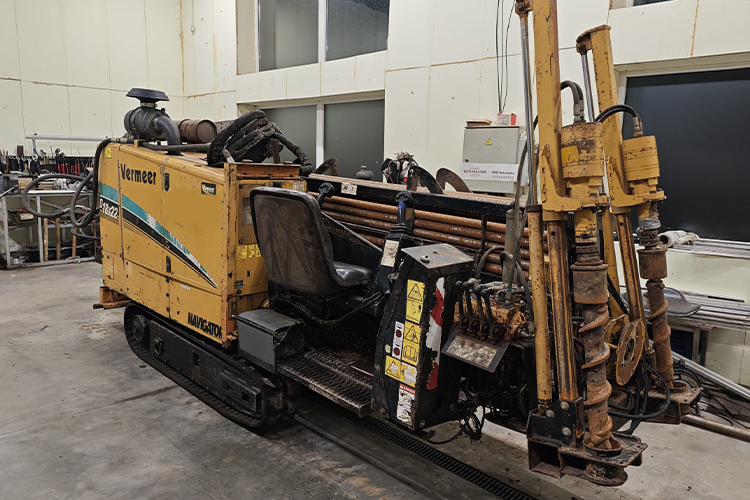
Know what’s underneath before you start.
Sounds obvious, but I’ve seen crews skip a proper site check. Sandy soil? Rocky patch? Mixed conditions? Your rod choice changes with the ground. One time we were drilling in what looked like consistent clay—turned out there was an old, unseen gravel layer. Standard rods started whipping too much. Lesson learned: when in doubt, go for something tougher and more flexible.
Match the rod to your rig’s real power—not just its model number.
Vermeer rigs range from compact to monster setups. I once met a guy running a D24x40 with rods that were too heavy for the torque he needed in soft ground. He said, “But they’re premium rods!” Sure, but they were slowing him down. Sometimes a lighter, high-torque design actually gets you further faster. Your rig’s manual is helpful, but your actual working conditions write the real manual.
Check your threads and wear like you check your phone.
No kidding—I now glance at threads the way I check my messages. Worn threads don’t just slow you down; they can cause fluid loss, alignment issues, and yes, breaks. A superintendent once told me, “If the thread looks tired, it’s already complaining.” Regular inspection is boring until it saves you a whole day of downtime.
“Stronger” isn’t always “better.”
I used to think thicker walls and heavier rods were the ultimate choice. Then I worked on a long, curved bore where fatigue resistance mattered more than raw strength. A more flexible rod helped maintain the curve without stress cracks. It was a lightbulb moment: sometimes you need a rod that can dance a little, not just punch hard.
Talk to someone who’s been in the mud.
Before you order, chat with your supplier—but make sure they’ve actually been on site. I love swapping stories with drillers. One told me how switching to a different rod coating reduced his wear in abrasive soil by almost 30%. Real-world tips beat catalog specs any day.
At the end of the day, your Vermeer rig is a partner. The right drill rod is like giving that partner the perfect tool for the job—it just makes everything smoother, safer, and honestly, more enjoyable.
What about you? Ever had a “rod moment” that changed how you work? Shoot me a message—I’m always up for a good field story.
SHARE:
More Posts for You
- Treating Your HDD Drill Pipe Like a Friend (Not a Tool)
- When I Realized ZHE HDD Drill Pipes Just Click with Ditch Witch
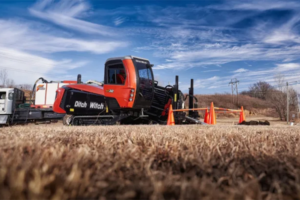
- Get the Most Out of Your Vermeer D100x120: Why ZHE HDD Drill Pipes Are the Best
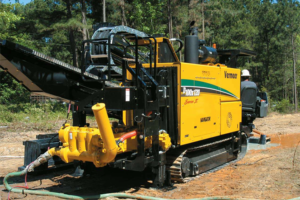
- How to Pick the Best HDD Drill Pipe for Your Ditch Witch JT60
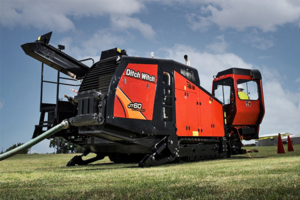
- It’s Not Just the Vermeer Rig: Your Drill Rod Choice Changes Everything
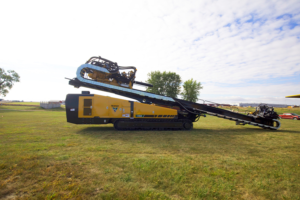
- Keeping Your Vermeer D36x50 Happy: The Unspoken Truth About Drill Pipes
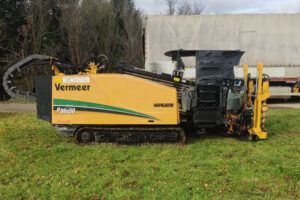
- Getting the Most Out of HDD Drill Rods for My Ditch Witch JT10
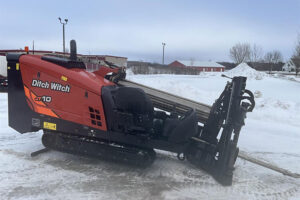
- How to Choose a Horizontal Directional Drilling Contractor