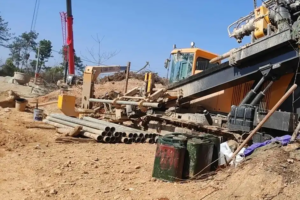
The Unseen Marvel: How Horizontal Directional Drilling (HDD) is Quietly Revolutionizing Urban Construction
As we walk through our cities, admiring the skyscrapers, bustling traffic, and vibrant streets, we rarely think about the “miracles” happening beneath our feet. A network of crucial pipelines—carrying water, power, gas, and communication lines—stretches deep underground, acting as the city’s “blood vessels” and “nerves.” The technology that installs these lines with precision, while preserving the precious surface environment, is a revolutionary method known as Horizontal Directional Drilling (HDD).
Let’s explore this “unseen” technology and understand why it has become an indispensable pillar of modern engineering construction.
What is Horizontal Directional Drilling (HDD)?
In simple terms, HDD is a trenchless method for installing underground pipelines, conduits, and cables. Think of it as “minimally invasive surgery” for the earth.
Unlike traditional “open-cut” excavation that tears up the surface, HDD uses a sophisticated drilling rig to launch a pilot bore at an angle, navigates it along a designed curved path underground, and finally resurfaces at a predetermined exit point. Once the pilot bore is complete, the desired pipeline is pulled back through the enlarged hole in a single, continuous operation.
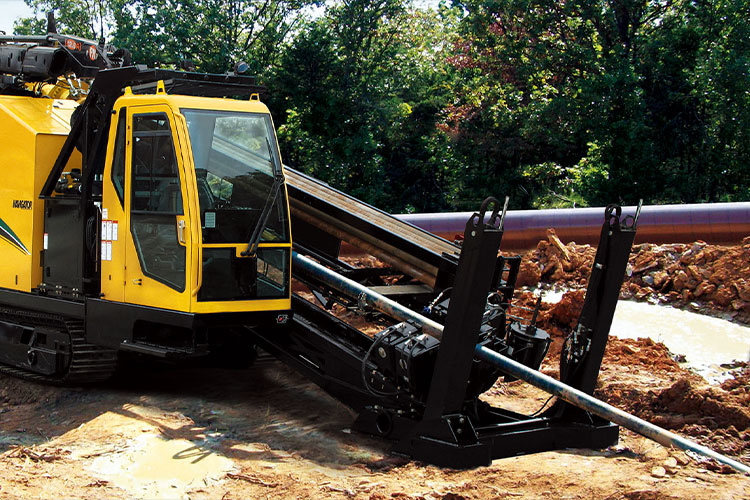
The entire process causes minimal disruption to the surface—it’s quiet, efficient, and remarkably precise.
Three Core Advantages: Why is HDD So Important?
1. Maximum Environmental Protection and Minimal Disruption (Eco-Friendly)
This is HDD’s most celebrated advantage. Imagine needing to install a pipeline under a river, a wetland, a protected natural area, or a busy highway. Traditional excavation would destroy ecosystems, disrupt traffic, create noise and dust, and in some cases, be entirely unfeasible.
HDD solves these problems perfectly:
- Crossing Obstacles: It effortlessly goes under rivers, lakes, highways, railways, and existing structures.
- Preserving Ecology: It protects surface vegetation and soil structure in sensitive areas like wetlands and nature reserves.
- Reduced Social Impact: It avoids long-term road closures, minimizes disruption to businesses and residents, and keeps the city functioning normally.
2. Superior Overall Economic Efficiency (Cost-Effective)
While the initial equipment investment for HDD can be high, it often proves more cost-effective over a project’s entire lifecycle:
- Lower Restoration Costs: It eliminates expensive costs for road repair and surface restoration after construction.
- Shorter Project Timelines: HDD is fast, especially for long-distance crossings, significantly reducing project duration. Time is money.
- Reduced Indirect Costs: It minimizes social costs associated with construction, such as traffic congestion and loss of business for local shops.
3. Enhanced Safety and Reliability (Safe & Secure)
- Worker Safety: It reduces the risk of accidents by minimizing worker exposure to open trenches.
- Pipeline Security: The installed pipeline is buried deep within stable strata, protected from surface traffic loads, extreme weather, and accidental damage, leading to a longer service life.
- High Precision: Advanced guidance systems allow for real-time tracking of the drill head, ensuring the pipeline is installed exactly on its designed path and avoiding collisions with existing underground utilities.
Wide-Ranging Applications of HDD Technology
HDD is making its mark across numerous engineering sectors:
- Municipal Engineering: Installation and renewal of water, sewer, and gas lines in urban areas.
- Energy Sector: Installing oil and gas pipelines under rivers, roads, and densely populated areas.
- Power & Telecommunications: Laying fiber optic and power cables, making it a crucial technology for modern “smart infrastructure.”
- Environmental Protection: Installing monitoring and remediation pipes without disturbing contaminated ground.
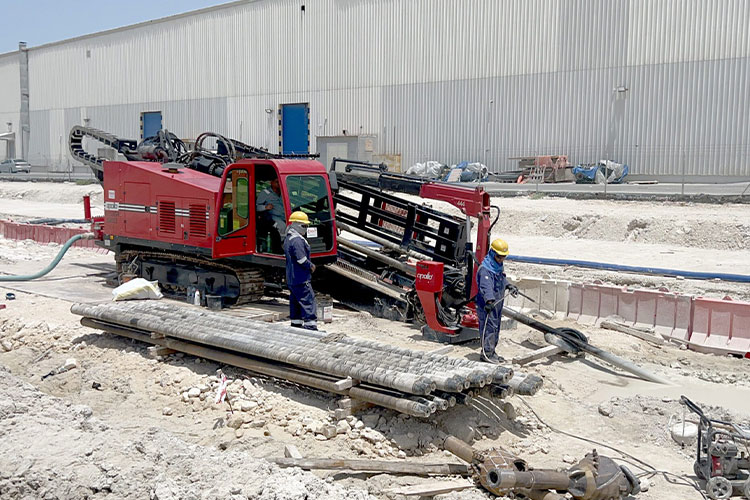
The Future: HDD and the Smart City
As we move toward smarter cities, the complexity and density of underground networks will increase exponentially. With its precision, efficiency, and eco-friendly nature, HDD is poised to be a core technology for building the urban “lifeline” beneath our feet. Integrated with Geographic Information Systems (GIS) and Building Information Modeling (BIM), future HDD projects will become even more intelligent and data-driven, enabling meticulous management from design to maintenance.
Conclusion
Horizontal Directional Drilling is more than just a construction method; it represents a progressive engineering philosophy: to achieve optimal results with minimal impact, in harmony with our environment. It is like a masterful “underground embroiderer,” quietly weaving the foundation of our modern world out of sight.
The next time you drive across a river or enjoy stable utilities and high-speed internet at home, remember that beneath the calm surface, an “unseen marvel” is silently at work, safeguarding the convenience and comfort of our daily lives.
SHARE:
More Posts for You
- Treating Your HDD Drill Pipe Like a Friend (Not a Tool)
- When I Realized ZHE HDD Drill Pipes Just Click with Ditch Witch
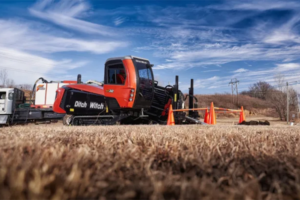
- Get the Most Out of Your Vermeer D100x120: Why ZHE HDD Drill Pipes Are the Best
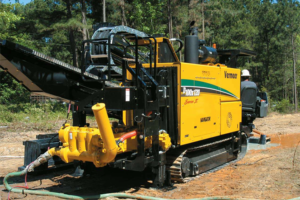
- How to Pick the Best HDD Drill Pipe for Your Ditch Witch JT60
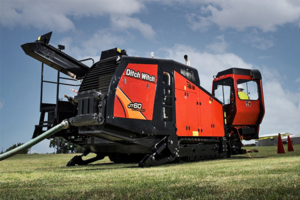
- It’s Not Just the Vermeer Rig: Your Drill Rod Choice Changes Everything
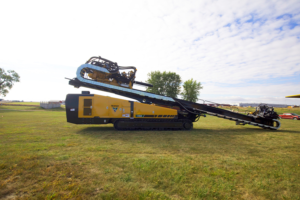
- Keeping Your Vermeer D36x50 Happy: The Unspoken Truth About Drill Pipes
- Getting the Most Out of HDD Drill Rods for My Ditch Witch JT10
- How to Choose a Horizontal Directional Drilling Contractor