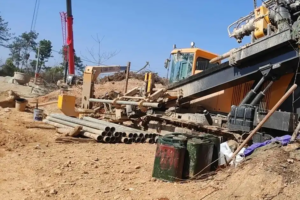
Treating Your HDD Drill Pipe Like a Friend (Not a Tool)
I spent the first couple of years in this industry doing a lot of what a lot of us do: staring at the bottom line. I’d sell a truckload of Ditch Witch drill pipe, shake a hand, and move on. I thought I understood the gig. I knew the steel was good, the welds were clean, and the price was right.
Then, about three years ago, I had a total “duh” moment on a job site that completely changed how I talk to you guys.
I was visiting a crew outside of Tulsa. They were wrestling with a stubborn bore, fighting the ground the whole way. The operator, a grizzled old-timer named Red, was cussing up a storm because they kept spinning through tool joints. They’d already trashed two joints of brand-new pipe that morning.
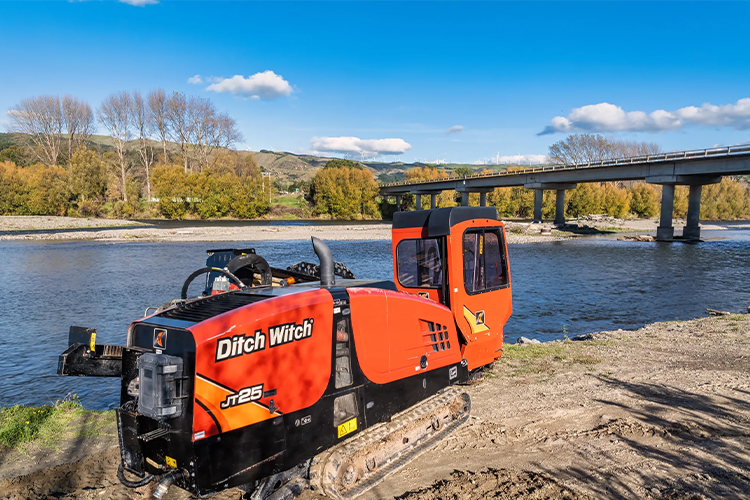
I walked over, looked at the rack, and saw the problem instantly. They were beating the living daylights out of that pipe. They were in such a hurry to make the next rod, they were spinning the pin into the box at full throttle, hammering it home. The threads were starting to gall and look silvery—a sure sign they were getting welded together from the friction heat.
Red looks at me and goes, “This pipe is junk. Can you get me a better price on the next batch?”
And that’s when it hit me. I wasn’t just selling them steel. I was selling them a precision tool that they were treating like a disposable lighter. I wasn’t helping them by just offering a discount; I needed to show them how to not break it in the first place.
Here is the stuff I wish I could go back and tell my younger self—and what I bug you guys about now, not because I’m lecturing, but because I hate seeing your cash get burned up in the ground.
Those Little Grooves Aren’t Just Decoration
You know those wear indicator grooves on the male end of Ditch Witch pipe? I used to think they were just for grip or something. Nope. They are literally a ruler for your pipe’s life.
Think of it like the tread on a tire. When those grooves start to disappear? That pipe is telling you it’s tired. Don’t wait for it to twist off downhole. That’s a “sit in the truck and wait for a fishing tool” kind of day nobody wants.
The “Lead Pipe” Shuffle
This is the easiest money saver nobody does.
The pipe at the front of the string? It’s the workhorse. It takes the most abuse, the most bends, the most stress. If you always rack your pipe in the same order, that one lead pipe is going to die young, and the ones in the back are going to stay pretty.
So, do the shuffle. When you’re done with a job, rotate that lead pipe to the back of the truck. Spread the love (and the wear). It keeps the whole family alive longer.
Torque is a Handshake, Not an Arm Wrestle
Remember Red from Tulsa? His problem was he was forcing the connection. You don’t jam your hand into someone’s face for a handshake, right? You approach smooth.
When you’re making up a joint, bring the pin and box together slow. Let the threads engage naturally. If you slam it, you create heat. Heat makes the steel brittle. Brittle steel breaks. Use the right torque—usually the rig’s max torque in low speed—so the load spreads evenly across the threads.
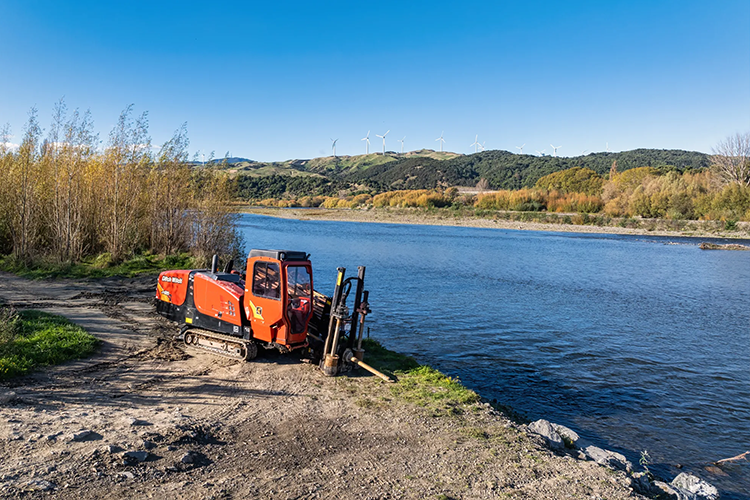
New Pipes Need a “Break-In” Period
This is something I stole from the hot rod car guys. You don’t buy a new sports car and redline it immediately (okay, maybe you do, but you shouldn’t).
Same with drill pipe. Before you send that new shiny pipe downhole for the first time, you gotta “precondition” it. Lube it up, thread it together, break it apart. Do that a few times. It seats the threads and gets them ready to work. It takes five minutes but adds months to the life.
Dirt is the Enemy (Keep it Clean)
I know, I know. We work in dirt. It’s ironic. But a little grit in the threads is like sand in a lock. It grinds everything down.
Keep the threads clean. Use the caps when you’re hauling pipe down a dusty road. And for the love of all that is holy, use the right thread compound. Don’t just use motor oil. Get the copper-based stuff. It stops rust and prevents that galling I saw in Tulsa.
Look, I’m not saying you have to baby your pipe. It’s built tough to handle the rough stuff. Ditch Witch designs this stuff to take a beating. But it’s not magic. It’s metal.
Treat it with just a little bit of respect, check it over visually once in a while, and don’t try to bend it past its limit just to save a few minutes on the entry angle. That “shortcut” just fatigues the pipe and leads to a break later.
Anyway, that’s my soapbox for the week. Next time you’re on site, take a look at your rack. Are your pipes looking happy, or are they looking like they need a vacation?
Let me know if you have any questions, or if you want me to come by and look at your setup. I’m always down to get my boots dirty.
SHARE:
More Posts for You
- Treating Your HDD Drill Pipe Like a Friend (Not a Tool)
- When I Realized ZHE HDD Drill Pipes Just Click with Ditch Witch
- Get the Most Out of Your Vermeer D100x120: Why ZHE HDD Drill Pipes Are the Best
- How to Pick the Best HDD Drill Pipe for Your Ditch Witch JT60
- It’s Not Just the Vermeer Rig: Your Drill Rod Choice Changes Everything
- Keeping Your Vermeer D36x50 Happy: The Unspoken Truth About Drill Pipes
- Getting the Most Out of HDD Drill Rods for My Ditch Witch JT10
- How to Choose a Horizontal Directional Drilling Contractor