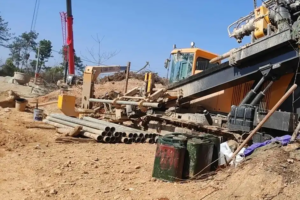
When I Realized ZHE HDD Drill Pipes Just Click with Ditch Witch
You know those moments when something just… works? No fuss, no forcing it—just pure compatibility?
I had one of those moments last week on a job site, and it totally shifted how I think about our ZHE drill pipes.
So there I was, watching a crew run a Ditch Witch JT30 through some nasty clay. The operator—let’s call him Mike—was fighting with a cheap import rod that kept flexing like a wet noodle.
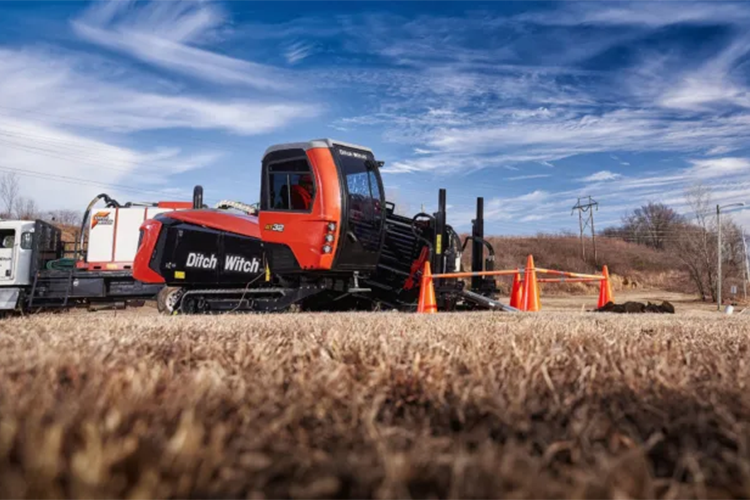
You could see the frustration in his shoulders. We’ve all been there, right? The clock’s ticking, the bore’s gotta get done, and your equipment’s basically telling you to take a hike.
Mike finally looks over and goes, “Got anything that won’t make me want to throw this thing in the river?”
I handed him a ZHE rod. Nothing special—just our standard 2-3/8″ drill pipe. Figured it’d do the job, but honestly? I wasn’t prepared for what happened next.
He ran that first rod, then the second, then the third. After about 20 minutes, he stops the rig, hops out, and walks over to me with this weird look on his face.
“That’s it?” he asks.
I’m confused. “That’s what?”
“The thrust. The pullback. The whole thing just… went. Didn’t fight me once.”
And that’s when it hit me—we’ve been so focused on the specs, the metallurgy, the heat treatment (all the boring stuff we engineers love), that I forgot what actually matters to you.
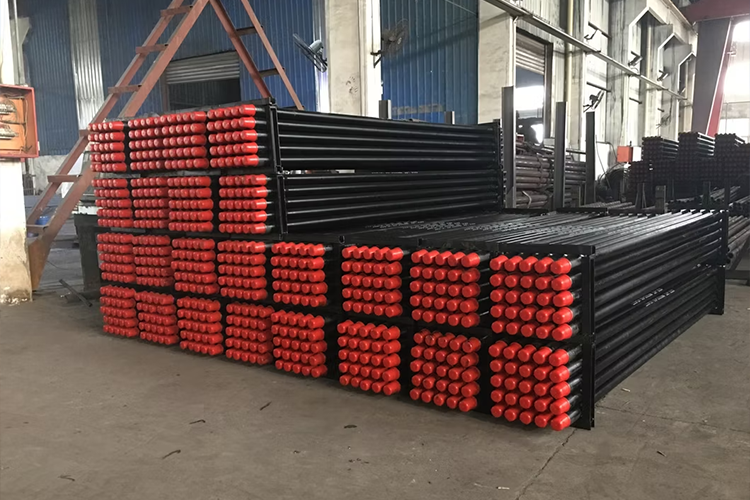
The rod disappeared into the ground like it was supposed to be there.
That’s the thing about Ditch Witch rigs—they’re workhorses. They don’t ask for much, but they sure as heck know when something’s not right. The JT30, the JT60, even the bigger JT100s—they’ve got this personality where they just hum along when everything’s in sync.
Our ZHE pipes? They’re made for that hum.
I remember when we first started manufacturing these. The team spent months just studying the thread connections on Ditch Witch tooling. Not copying—studying. Why did Ditch Witch design their threads that specific way? What were they trying to solve? Turns out, they’d figured out some clever stuff about how the torque transfers through the connection.
We built our pipes to dance with that design, not fight it.
So if you’re running a Ditch Witch and you’ve been dealing with:
- Rods that vibrate like a paint mixer
- Threads that gall up after 20 bores
- That weird “wobble” when you’re pushing hard
…maybe give one of our ZHE rods a spin. Not because I’m trying to sell you something—honestly, I hate pushy sales stuff. But because I actually get a little excited watching someone have their own “wait, that’s it?” moment on a jobsite.
Mike ended up finishing that bore in about half the time he’d budgeted. He didn’t say much when he packed up—just gave me a nod and tossed the ZHE rod back on the truck.
That nod said enough.
Got a Ditch Witch and curious what rod might actually feel right? Hit me up. I’m the guy who talks too much about thread forms and steel grain structure, but I promise I’ll keep the nerdy stuff to a minimum unless you ask
SHARE:
More Posts for You
- Treating Your HDD Drill Pipe Like a Friend (Not a Tool)
- When I Realized ZHE HDD Drill Pipes Just Click with Ditch Witch
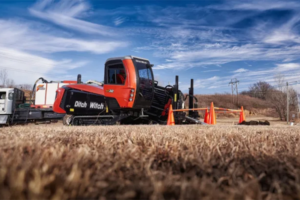
- Get the Most Out of Your Vermeer D100x120: Why ZHE HDD Drill Pipes Are the Best
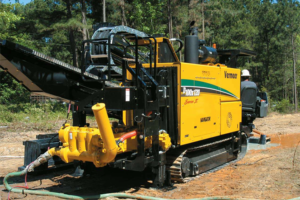
- How to Pick the Best HDD Drill Pipe for Your Ditch Witch JT60
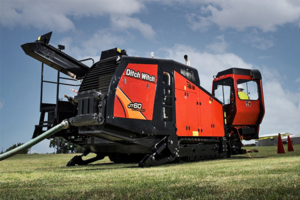
- It’s Not Just the Vermeer Rig: Your Drill Rod Choice Changes Everything
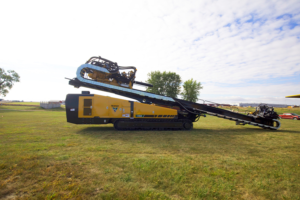
- Keeping Your Vermeer D36x50 Happy: The Unspoken Truth About Drill Pipes
- Getting the Most Out of HDD Drill Rods for My Ditch Witch JT10
- How to Choose a Horizontal Directional Drilling Contractor