Your Reamer’s Spa Day: More Than Just a Quick Clean
You know that feeling when you finally block off a “maintenance day” on the calendar? It’s a mix of relief and a tiny bit of dread. Relief because you know it needs to happen. Dread because, let’s be honest, it feels like you’re not “doing” the real work. You’re just cleaning up after it. I used to have the exact same mindset.
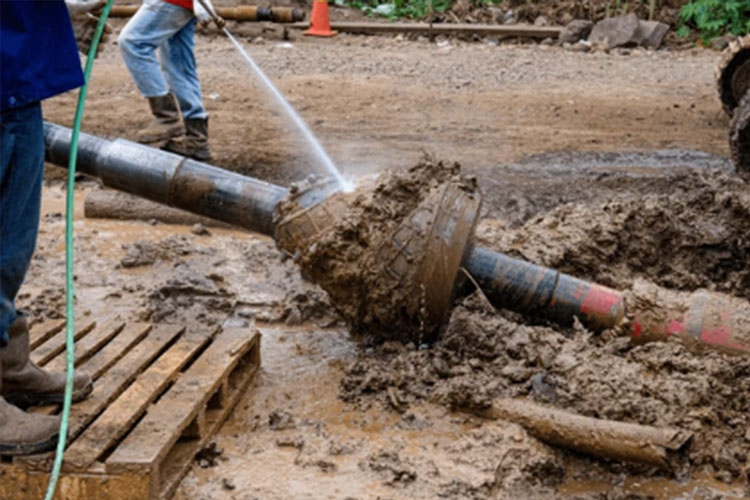
But a muddy afternoon a few years back completely flipped that script for me.
I was visiting a crew—great guys, super efficient—who had just finished a monster pull. Their reamer was caked in what looked like three different layers of earth and clay. The plan was to hose it down, maybe scrape off the big chunks, and send it back out. Standard procedure. But as we stood there, sipping terrible truck-stop coffee, I started looking closer. Not as a sales guy, just as someone who’s seen a few too many breakdowns.
That’s when it clicked. This wasn’t just maintenance. It was a diagnostic interview with the hardest worker on your crew. You just have to ask the right questions.
The “Show Me Your Teeth” Chat
This is where we start. Forget the pressure washer for a second. Get down on a knee and really look. I’m not just checking for wear—I’m playing detective.
Are all the teeth present and accounted for? You’d be surprised. I’ve seen cutters where a tooth was missing for who-knows-how-many-feet, and the only clue was a slightly uneven wear pattern on the ones next to it.
Then, I run my fingers over the cutting edges (gloves on, safety first!). I’m feeling for the story. Are there tiny chips or cracks starting? Is one tooth sitting a bit proud, or a bit shy, compared to its mates? That can hint at a worn block or a mounting issue. I remember one time finding a carbide tip held on by literally a millimeter of braze. The guy operating it had no idea. He just said the machine “felt a little vibey” on the last pull. A little vibey. That’s your equipment screaming in a whisper.
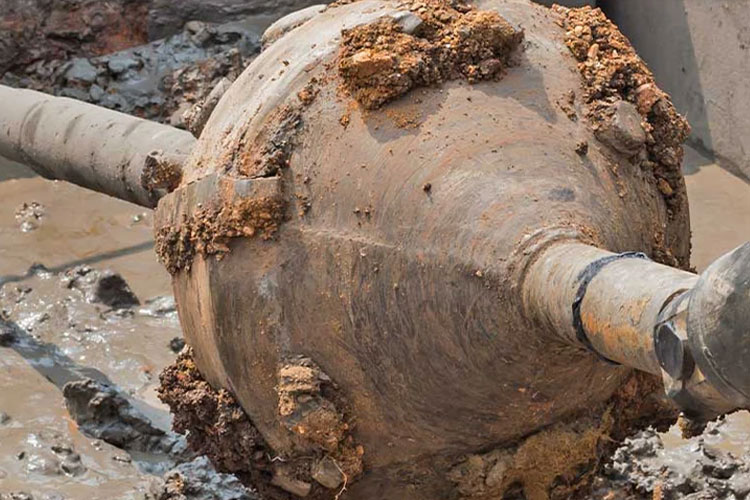
The rule I live by now: If a tooth is worn down more than a third, or has any damage, change it. Swapping a $50 tooth isn’t a cost. It’s the cheapest insurance you can buy against a $5,000 delay on the next bore. Don’t wait for it to fail spectacularly.
The “Everything Tight?” Paranoia Check
Okay, teeth look good. Now, here comes my favorite tool—and the most ignored one on some rigs: the torque wrench.
I get it. When you’re in the groove, the impact gun is your best friend. Zing, zing, zing and you’re done. But for this? On maintenance day? You gotta fight that impulse.
Every bolt that holds a tooth, a block, or a wing on needs to be checked. Not just “feeling” tight, but spec tight. Heat, insane amounts of vibration, and getting slammed around underground work these guys loose. It’s physics, not a design flaw.
My personal paranoia ritual: I go in a star pattern, like lug nuts on a wheel. Break each one loose slightly, then re-torque to the exact manufacturer’s setting. It’s tedious. It’s boring. But finding that one bolt that was “finger tight” is a heart-stopping moment of victory. It means you just prevented a cascade failure waiting to happen. That peace of mind is worth ten minutes of tedium.
The “Heart and Soul” Grease Ritual
This is the big one. The bearing lubrication. For the longest time, I thought greasing was greasing. You pump the gun until you see grease come out somewhere. Done.
Oh, how wrong I was. That old site visit? Their whining bearing taught me the critical difference between adding grease and purging grease.
When you just add a few pumps, you’re often just pushing the old, tired, possibly contaminated grease around in a circle. The nasty stuff—microscale dirt, metal particles, moisture—stays right where it can hurt the bearings.
The right way is messy and feels wasteful, but it’s non-negotiable: You purge. You attach your grease gun and you pump slowly and steadily with clean, high-quality grease. You keep pumping until you see brand new, clean grease forcing its way out of every seal and clearance. That’s the sign. That’s the moment you know you’ve evicted all the old tenants and moved in fresh, clean lubricant.
Think of it like this: you wouldn’t just top off your truck’s engine oil from last year. You drain all the old stuff out. Your reamer’s bearings deserve the same respect. That fresh grease is their lifeline down in the dark.
Wrapping It Up: It’s a Relationship
So, next time “Maintenance Day” rolls around, try to see it differently. It’s not a chore. It’s your weekly check-in with a key team member. You’re listening to its stories (the wear patterns), checking its vitals (the bolts), and making sure its heart (the bearings) is healthy.
That hour or two of focused, almost meditative care? It builds trust. You’ll start to notice small things before they become big things. Your machine will run smoother, last longer, and surprise you less often. And you can head into the next project knowing you’ve done right by the gear that does the heavy lifting.
SHARE:
More Posts for You
- Treating Your HDD Drill Pipe Like a Friend (Not a Tool)

- When I Realized ZHE HDD Drill Pipes Just Click with Ditch Witch
- Get the Most Out of Your Vermeer D100x120: Why ZHE HDD Drill Pipes Are the Best
- How to Pick the Best HDD Drill Pipe for Your Ditch Witch JT60
- It’s Not Just the Vermeer Rig: Your Drill Rod Choice Changes Everything
- Keeping Your Vermeer D36x50 Happy: The Unspoken Truth About Drill Pipes
- Getting the Most Out of HDD Drill Rods for My Ditch Witch JT10
- How to Choose a Horizontal Directional Drilling Contractor