The Underground Advantage: Why HDD is Revolutionizing Construction
For decades, utility installation meant one thing: open-cut trenches. The image is familiar—a massive scar across the landscape, disrupted traffic, piles of dirt, and a long, noisy restoration process. But what if there was a better way? A way to install vital infrastructure with surgical precision, leaving the surface almost entirely untouched?
Enter Horizontal Directional Drilling (HDD), a trenchless technology that is quietly changing the game for construction projects worldwide.
At its core, HDD is a steerable, trenchless method for installing underground pipes, conduits, and cables along a predetermined path. It involves drilling a pilot hole, then enlarging it and pulling the product pipe back through. The result? A completed utility line with minimal surface disruption.
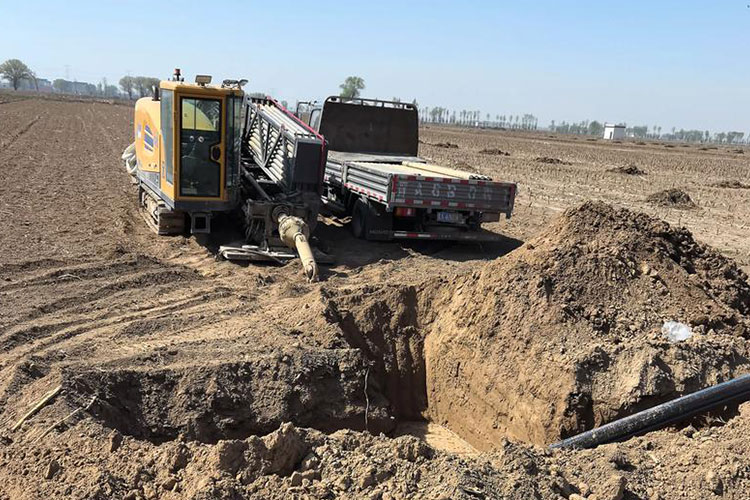
So, what makes HDD so superior to traditional “dig and dump” methods? Let’s dive into the key advantages.
Minimal Surface Disruption: The “Invisible” Construction
This is HDD’s flagship benefit. Traditional trenching turns streets into obstacle courses and tears up parks, landscapes, and driveways. HDD requires only two small entry and exit pits. The area in between remains completely intact.
- Business as Usual: Traffic keeps flowing, businesses remain accessible, and daily life isn’t brought to a halt.
- Preserved Landscapes: It protects sensitive areas like riverbanks, protected habitats, and beautifully landscaped grounds that would be destroyed by a trench.
Unmatched Environmental Benefits
HDD is often the greener choice. By avoiding open trenches, it:
- Prevents Soil Erosion: Large-scale excavation disturbs the soil structure, making it vulnerable to being washed away by rain into nearby waterways.
- Protects Waterways: HDD is the go-to method for installing pipes under rivers, lakes, and wetlands. It completely avoids the ecological damage of dredging or diverting water.
- Reduces Carbon Footprint: Less excavation means fewer trucks hauling away soil and bringing in backfill. This significantly cuts down on fuel consumption, noise, and air pollution.
Cost-Effectiveness in the Long Run
While the initial mobilization cost for an HDD rig can be higher, the overall project cost is often lower. How?
- Drastically Reduced Restoration: The single biggest cost in open-cut projects is often restoring the surface—repaving roads, replanting landscaping, repairing sidewalks. HDD avoids almost all of this.
- Faster Project Completion: In many cases, HDD is significantly faster than digging a long trench, especially in urban areas or under obstacles. Time saved is money saved.
- Less Liability: With less disruption comes less risk of damaging existing underground utilities or causing surface-level accidents.
Enhanced Safety for Everyone
A massive open trench is a major safety hazard for workers and the public. HDD dramatically improves site safety by:
- Eliminating Trench Hazards: No risk of trench collapses or cave-ins, one of the most dangerous occurrences in construction.
- Reducing Traffic Conflicts: With a much smaller work area, the interaction between construction equipment and public traffic is minimized.
- Creating a Cleaner Site: Fewer piles of soil and construction materials mean a less cluttered and safer work environment.
Greater Depth and Engineering Flexibility
HDD isn’t limited by surface obstacles. It can navigate deep underground, going beneath foundations, highways, and railways with ease. This allows for:
- Deeper Installations: Placing utilities at a depth that protects them from future surface excavations and freeze-thaw cycles.
- Bypassing Any Obstacle: Rivers, highways, airport runways—HDD treats them as waypoints, not roadblocks. This provides a direct and optimal route that would be impossible or prohibitively expensive with trenching.
All-Weather Capability
Open-cut excavation can be brought to a standstill by heavy rain, turning the site into a muddy quagmire. While not entirely immune to weather, HDD operations are far less affected by adverse conditions, helping to keep projects on schedule.
The Bottom Line
Horizontal Directional Drilling is more than just an alternative to trenching; it’s a smarter, more sustainable, and often more economical solution for our modern infrastructure needs. It represents a shift in thinking—from tearing things up to going precisely around them.
The next time you see a major utility project completed with surprisingly little fuss, there’s a good chance HDD was working its magic underground. It’s the silent partner in building a better, less disrupted world beneath our feet.
Is your next project a candidate for HDD? Consider the obstacles, the environment, and the true cost of restoration. You might find that going trenchless is the clearest path to success.
SHARE:
More Posts for You
- Machine Learning for Prediction of HDD Drill Rod Failure – What is Possible?
- How bad can a dogleg be ? HDD drill rod fatigue : what are the safe limits ?
- HDD Drill Rod Steel Price Impact on Costs: 2026 Market Outlook
- OEM vs Aftermarket HDD Drill Rods: Warranty, Liability & Performance
- How a Bent Sub or Worn Saver Sub Impacts Your Whole Drill Rod Inventory
- How Much is Your Old HDD Drill Rod Worth for Scrap? (Current Pricing Knowledge)
- 7 Deadly Sins of Handling HDD Drill Rods: Dropping, Dragging, Over-Speeding
- Urban Utility Drilling: Why Shorter, Stiffer HDD Drill Rods Are Often Better