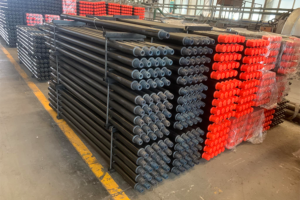
You Know What Makes Me Mad? When I See a Perfectly Good Drill Rod Die When It Shouldn’t Have
For about five years now, I’ve been selling rods and tools at the factory for this non-directional drilling (HDD) business. But before I started selling, I worked on the rigs. I remember one job in particular: pulling back a 300-foot water main in 2019.
The ground was great, and the crew was great, but we kept breaking rods. I was furious, blaming the steel, the heat treatment, and everyone else except the man in the mirror.
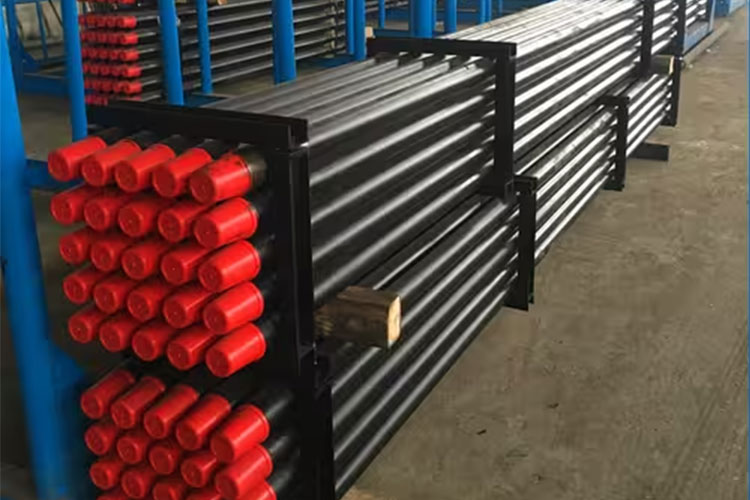
I was the one who was wrong.
You don’t have to go through the same things I did to learn them. Let’s meet for a metaphorical cup of coffee, and I’ll tell you what I wish I had known back then about how to take care of your HDD drill rods.
Clean your damn rods. Really.
I get it, I get it. You have 12 hours left in your 14-hour shift. You just want to disconnect the last piece of pipe, throw it on the rack, and go home now that the bore is done. I understand. I’ve been there.
But leaving mud on the inside of that box end is like leaving food out for the cockroaches. That dried up slurry? It’s a bomb that won’t go off. You’re not threading steel into steel the next time you screw that rod in. You’re grinding rough mud into your connection. In no time at all, you’ve got galling and cross-threading, and your $500 rod is useless because you didn’t want to take the time to clean it.
I keep a special pressure washer wand with a 90-degree nozzle tip in the truck. I wash every joint before it goes on the rack when I’m breaking down. My friends used to tease me for being “OCD.” But guess whose threads still looked brand new after 20,000 feet?
That torque wrench isn’t a suggestion. It’s the law.
I love the sound of an impact gun as much as the next guy. Brrrrrrrrt. It seems like it will be useful. But if you’re just ugga-dugga-ing your connections until they stop moving, you’re going to have a bad day.
There is a sweet spot. If it’s too loose, the shoulder won’t seal. You’ll get washout that eats the threads like acid. If you over-torque by 20% because you wanted to be “sure,” you’re actually stretching the steel. The end of the box gets bigger. That rod will never hold the right torque again after you stretch it. It feels like a rubber band that has lost its snap.
I tell my clients to treat that makeup torque like a ritual. Don’t forget the thread compound when you clean it and lube it. Then hit the number. Not even close. The number.
Don’t get too attached to “the bend.”
We all have that one stick. The one that bends a little. The “banana rod.” You leave it on the rack and think, “Eh, it’s fine for the shallow shots.”
No, dude. Throw it away.
I remember watching a group of kids in Ohio who had about four rods in the middle of their string that were a little bent. They kept asking themselves why their steering was so crazy. The bent rods were twisting back every time they tried to point the tool face, which was making the whole string fight.
They were basically trying to steer a snake. And what about the tiredness in those bent parts? They are literally waiting to break in the bore. Not only are you replacing a rod, but you’re also paying for fishing gear, lost time, and the trouble of having to explain to the general contractor why you’re behind schedule.
Make it a fence post if it looks like a banana.
The “Lube is Lube” story.
Don’t use regular axle grease. Don’t do it.
I did this once when I ran out of good thread dope. I thought to myself, “Grease is grease, right?” I couldn’t break the connections apart without a cheater bar and a lot of sweat after twenty rods. That axle grease doesn’t have the properties that keep things from seizing up under high pressure. It cooked under the pressure, turned into glue, and basically glued my threads together.
Good thread compound is a cheap way to protect yourself. It’s not just a lubricant; it’s a cushion. It fills in the gaps and stops the metal-to-metal friction that causes galling. Use the money to buy good things. Your back will thank you at 5 PM when you’re falling apart.
Your starter rod is a martyr. Turn them around.
The rod that is closest to the drill rig and is attached to the sub saver gets the most wear and tear. It gets all the thrust, pullback, and vibration. If you run the same rod in that position for 10,000 feet, it will wear out faster than the rest of the string.
I turn my stock every time I rack out. The first rod goes to the end of the line. The new starter is number 2. It sounds boring, but it makes the wear even. You won’t lose a rod every month; instead, you’ll keep your whole string healthy for a whole season. It’s all about sharing the love.
It wasn’t a technical change that changed my mind the most. It was realizing that drill rods are not just tubes of steel that can be thrown away. They are the most important part of the system. We worry about the mud motor, the drill rig’s horsepower, or the sonde, but the rods are what actually push every pound of force into the ground.
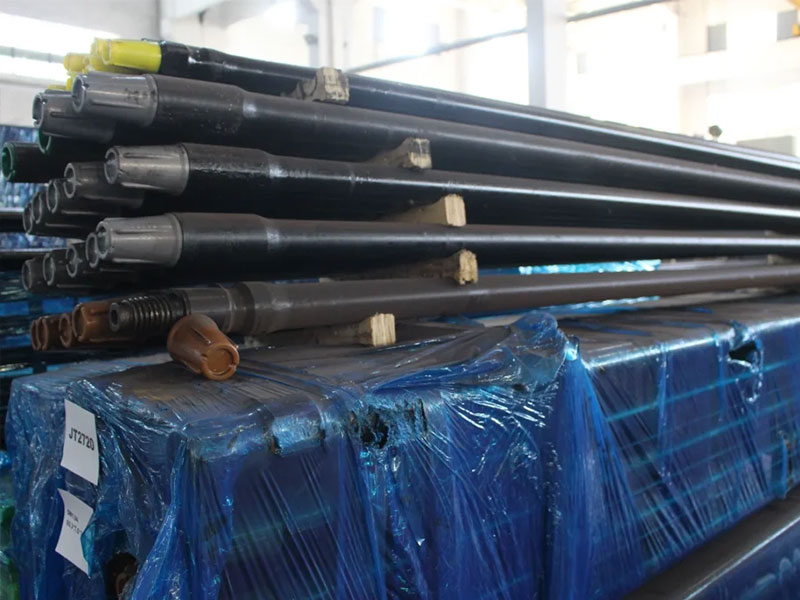
Don’t treat them like lumber; treat them like the high-precision tools they are. Wash them, tighten them properly, get rid of the bent ones, use the right lube, and switch up the lineup.
I promise that your profit margin and your sanity will be a lot better.
Okay, that’s it for my rant. Do you have a story about a rod war? Put it in the comments. I love hearing how you all deal with problems out there.
Stay boring (but don’t be boring off-line).
SHARE:
More Posts for You
- Machine Learning for Prediction of HDD Drill Rod Failure – What is Possible?
- How bad can a dogleg be ? HDD drill rod fatigue : what are the safe limits ?
- HDD Drill Rod Steel Price Impact on Costs: 2026 Market Outlook
- OEM vs Aftermarket HDD Drill Rods: Warranty, Liability & Performance

- How a Bent Sub or Worn Saver Sub Impacts Your Whole Drill Rod Inventory
- How Much is Your Old HDD Drill Rod Worth for Scrap? (Current Pricing Knowledge)
- 7 Deadly Sins of Handling HDD Drill Rods: Dropping, Dragging, Over-Speeding
- Urban Utility Drilling: Why Shorter, Stiffer HDD Drill Rods Are Often Better