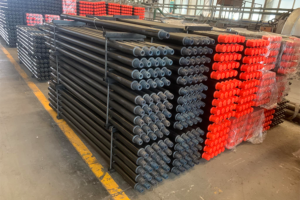
Let’s Talk About How Drill Pipes and Starter Rods Really Work Together
the other day I was talking to a customer – let’s call him Mike – who’s been running HDD rigs for a few years. He said something to me which made me laugh and cringe at the same time. He was having a rotten day on site, pipe connections kept seizing up, nothing was going smoothly and he just thought it was bad pipe. You know how it goes — when something goes wrong, it’s the pipe that gets the blame, right?
But the thing is . . . When you get into the nitty-gritty of what really happened, it wasn’t the pipe,” he said. It was the way he was putting everything together.
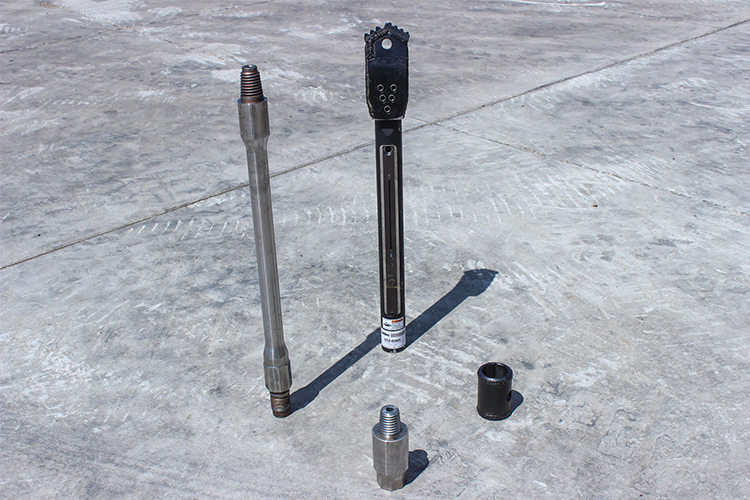
That got me thinking — maybe it’s worth having a laid-back, no-BS chat about how drill pipes and starter rods are supposed to go together. Not the textbook way. The real-deal, down-in-the-trenches, “I’ve learned it the hard way” version.
So grab a cup of coffee (or whatever gets you through) and let me walk you through this.
First, what the hell is a starter rod?
If you’ve been running small to mid‑size HDD rigs, you’ve probably heard the term starter rod thrown around. A starter rod is the link between the drill string and your downhole tools. And the really neat thing about it, the feature that makes everyone’s life easier, is the torqueless interface. That means you can change drill heads and reamers without having to bring out the big tongs. You know exactly why that’s a big deal if you’ve ever been crammed into a tight exit pit and tried to wrestle a connection off with a pipe wrench. It relieves the strain on your back while speeding things up.
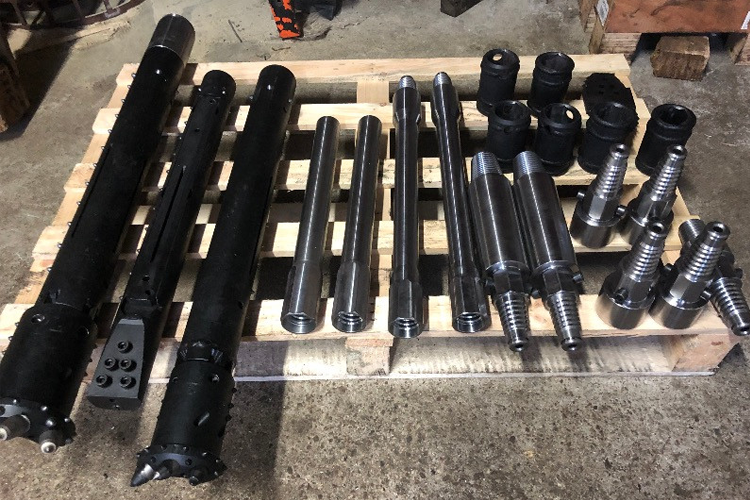
But here is the trick. A starter rod isn’t just some steel. It’s a bunch of pieces – collars, bolts, dowels, splined adapters – and if you don’t stay on top of cleaning and lubricating those threads and watching for fastener wear that convenience quickly becomes a headache. And when those parts get tired and start acting up, your whole day goes haywire.
How the whole thing actually works
I’m going to walk you through the steps like I’m right there next to you on the job site. No corporate polish, just what works.
Step 1 – Clean Everything
Before you even consider threading anything together, clean the male and female threads. Not some quick swipe with your glove. Strip away the mud and grit. If you get debris in there and you torque it up, you’re grinding shit into your threads, literally. And when those threads break, that pipe is no good anymore.
Step 2 — Grease it properly.
Then a little thread compound. But here’s something I see way too often: guys using waste oil or whatever cheap hydraulic fluid they have lying around, as a substitute. Don’t do that.” Use a real thread compound — and use plenty of it. Cheap thread grease will give you high point damage on the shoulder and then your connection will “loose” under load. Then you are in big trouble. I have seen threads that are so seized and galled that the only way to get them apart is to cut the pipe apart.
Step 3 — Line it up and stab it good.
This sounds stupidly simple, but you’d be surprised how many people screw this up. Align the pin and box carefully, then start threading. Don’t just cram them together. A poor alignment will quickly destroy the threads, and once the joint is destroyed the pipe is worthless.
When driving the pin into the box, do not allow the pin to strike the shoulder. This damage can affect both the threads and the sealing face. Take your time, centre it up, and make sure the coaxially is right between the rig’s shackle and the power head spindle.
Step 4 — Torque to spec, not feel.
When the shoulder faces meet, go to full machine torque. But here is one specific: keep the make-up pre-tightening force within about 15MPa. Turn it up too high and you’ll never get the joint apart later – I’ve spent an afternoon with a breaker bar and a lot of bad language trying to undo a joint someone way over-torqued. If you don’t pre-tighten enough, and the step of the box buckle is not tight, you get fatigue at the root of the pin joint, and if you get high-pressure mud flow, that box joint will get pierced — then you’ve got longitudinal cracking, and a real mess on your hands.
Step 5 — Clamp it onto the tool joint, not somewhere else.
When you are making up or breaking out joints, just clamp onto the tool joint of the drill pipe – that thickened section is made for clamping. Clamping weakens the pipe body and even if the pipe looks fine initially, it can break later under normal operating loads. I have seen it happen. It’s foul.
How the starter rod goes in
In a typical setup, you slide the starter rod into the front vice, clamp it, lubricate the drive chuck threads and starter rod threads, attach the drill head to the starter rod, then attach the first drill rod to the starter rod. Then you’re travelling. There is a specific torque range for the rod joints, usually 2000-2300 psi depending on your rig. Keep an eye on your gauge.
Just a quick reality check, a lot of newer tooling systems, some designs out of the bigger manufacturers, pushing the torqueless connection forward into the tooling itself these days. A simpler lead rod can be used for many jobs and there is no starter rod with multiple components. Fewer parts, less maintenance. But a lot of crews still run traditional starter rods because that’s what they know and their tooling is already set up that way.
The part no one talks about enough
Here is what hit me after years of watching people struggle. How you assemble the drill string at the very beginning—the cleanliness, the thread compound, the torque—it’s not just about getting started. That’s just about surviving.
Because when you start pulling back, especially if you are in hard rock, or doing a heavy reaming job, those connections are under insane stress. Bending. Twisting. Pulling. That is where failures start if you were sloppy on your first build. A thread that was not cleaned up properly. A connection that was not torqued enough. A little off on the first joint. Then five hours into the pullback you get a washout or a twist-off and all of a sudden you’re fishing a broken string out of the hole. And believe me, that’s not where you want to be on a Friday afternoon.
And one more thing I’ve learned the hard way – don’t mix different brands or wear levels of pipe. Different manufacturers have different tolerances, different process methods, different thread profiles. Even if the threads appear to be compatible, mixing them can generate stress points that can result in galling or premature failure. The same goes for mixing old worn pipes with new ones. But they just don’t play well with each other.
The routine that saves your ass .
Look, drill pipe isn’t going to last forever. Wear and tear is part of the package. But the easiest way to keep it rolling is simple: check your threads after every single job. All work. Good inspectors look for pulled, rounded, flattened, worn threads, galling, and excessive rust pitting. If they find any damage, send the pipe to a machine shop for repair. And for the tube bodies themselves – they don’t need to be checked as often, but if you’ve just finished a gnarly rock job or a heavy reaming pass, get them checked. You can’t see stress fractures with the naked eye, but they’ll get you in the long run.
Straight up.
To be honest with you, we produce and sell drill pipe and starter rods. But the last thing I want is for you to buy our stuff and then trash it. It’s like buying a good truck and never changing the oil. No matter how good the pipe is, if you don’t take care of the connections – clean them, grease them, torque them right – you’re going to have problems.
That pipe does one thing. It gets your drill head where it needs to go, then gets you back out. Treat it right and it will do that for a long time. Treat it like a rental and, well, you know how that story ends.
Got a story about a connection gone sideways? Or a trick you’ve learned over the years to make assembly easier? Reply or shoot me an email. I really geek out on this stuff, and I love hearing how different crews do things.
SHARE:
More Posts for You
- Machine Learning for Prediction of HDD Drill Rod Failure – What is Possible?
- How bad can a dogleg be ? HDD drill rod fatigue : what are the safe limits ?
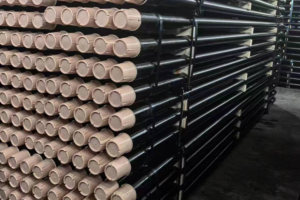
- HDD Drill Rod Steel Price Impact on Costs: 2026 Market Outlook
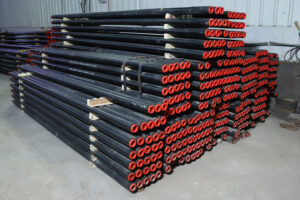
- OEM vs Aftermarket HDD Drill Rods: Warranty, Liability & Performance

- How a Bent Sub or Worn Saver Sub Impacts Your Whole Drill Rod Inventory
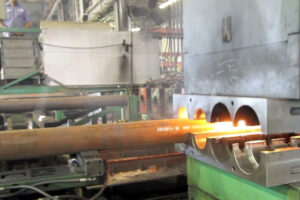
- How Much is Your Old HDD Drill Rod Worth for Scrap? (Current Pricing Knowledge)
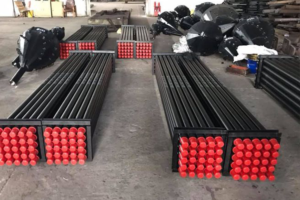
- 7 Deadly Sins of Handling HDD Drill Rods: Dropping, Dragging, Over-Speeding
- Urban Utility Drilling: Why Shorter, Stiffer HDD Drill Rods Are Often Better