How to Maximize ROI on Your HDD Drill Rod Inventory
Let me begin with a little confession.
A few years ago, when I was still pretty new to the world of non destructive digging, I had one of those “oh wow, I’ve been an idiot” moments. We had just finished a job on a medium-sized HDD, some 1,200 feet of 6-inch conduit under a busy two-lane highway. The drilling went smoothly, no rock, no surprises.
But as we started to pull the line and rack the rods back onto the truck, I noticed something. Roughly a third of those rods had small dings, some surface rust near the threads and a couple had a slight bend you’d only notice when you rolled them on flat ground.
And my boss at the time just shrugged. “That’s usual,” he said. “Well, we’ll just use them on the next job.”
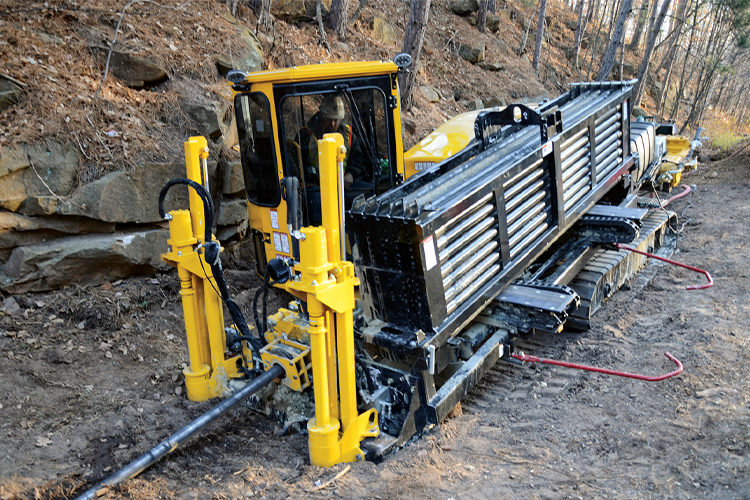
So we did. And on the next job that had some clay with some cobble scattered around, three rods broke off at the threads. Two others were caught in the bore. We lost a half day fishing tools. That’s when I knew it. I wasn’t running a stock of drill rods. I saw cash slowly grind itself into scrap.
That’s what I really want to talk about today. How to quit doing that. How to ensure that every rod on your rack is working for you, not slowly killing your profits.
Treat your rods as different, not all the same
Here’s the biggest thing I see on the job sites. Guys put new rods on top of old rods, mix high wear rods with fresh ones, then wonder why their tool joints look like someone took a grinder to them.
Here’s the truth that I learned the hard way: Your rod inventory is not one pile. Three heaps.
Level 1: Brand new or near new rods – no damage, perfect threads. These are your long, straight high torque bores, Rock . Long drags. Don’t use these on a 200-foot shot through soft sandy loam.
Tier 2: Light scratches, some coating missing but threads good and straight on rods. These are your daily work horses. A good chunk of your work.
Tier 3: Beaters Slightly bending? Dinged up? Threads a little wonky but still make tight? These are for shallow, short pulls, or practice holes, or that last 100 feet when you’re just trying to get home on Friday.”
I color-code mine with a wrap of electrical tape close to the pin end. Green=good. Yellow = good. Red = retire soon. And once you have the rods it takes 5 seconds to do. Saves you hours of guesswork later.
The “one more job” story
You know what I am talking about. You look at a rod that is a little bent in the middle – not exactly bent, but not exactly straight either. And you think, “Ah, one more job, a short one.
I did. We all have them. That rod’s gonna break. Not likely. It will break, usually at the most inopportune time, 400 feet beneath a parking lot, with the sun setting and the site foreman breathing down your neck.
The return on investment for taking a rod out early is not having to tell the customer why you are late. I have a scrap pile in the back of the yard. I go out there with a few rods once a month. Every time it hurts a little. But you know what’s worse? Fishing jobs
Track your ‘cost per foot’ – keep it simple
I’m not asking you to create a spreadsheet from hell. Just get a notebook. Record the date you put a new set of rods in service. On that set, record the total feet drilled before retiring them.
Say, for example, you buy 100 rods. 150,000 feet of drilling with them in a two year period. Cost of those rods ? What about $20K. That’s about 13 cents a foot. This is compared to your last batch where you didn’t track anything, mixed them all together, and retired half of them early from damage – that cost could be 25 cents a foot.
And that difference? That’s a new set of rods every couple years. For free
Clean the fucking threads
I realise I sound like a broken record. But I still go to job sites and see guys slapping rods together with dried mud in the box. Then they bitch about “tight connections” or “heat checking.” No, bro. That’s just dirt being ground into your investment.
I have a $3 thread brush in each truck. And a little can of thread lube, not WD-40, the real sticky stuff. A quick brush, a quick dab, every time you disconnect. 10 seconds. Do the math how many connections you make in a year.
That one little habit will save you thousands.
“Sunday evening” inventory check
Friday afternoon you’re tired You throw the rods on the rack, and go home. You’re rushing Monday morning. Then don’t do that, either.
Sunday evening, have a beer or a coffee, go out into the yard. Allocate fifteen minutes. Spin a few rods, check the threads, roll them on the concrete pad for straightness. Mark the ones that are going down to tier 2 or 3. Take off the ones you are done with.
I promise you, that quiet 15 mins a week will save you more money than any fancy software.
One last thing – don’t hoard
I had a customer once who had rods from 2008 in the back of his shop. “Just in case,” he said. In case of what exactly? “An apocalypse? The surface rust pitting on those rods was so deep you could feel it with a glove on.
Sell your retired rods as scrap or to a smaller outfit that only does shallow work. Spend that money and buy two or three new rods every year. Keep the inventory moving . Dead money is steel that’s idle.
Look, I am not telling you to go out and buy the most expensive rods on the market. I’m telling you to take care of the rods you have as valuable tools. Because they are.
So next time you’re about to make up that connection without cleaning it first, or throw a bent rod back into the “maybe fine” pile – just think of me, standing there shaking my head holding a thread brush.
SHARE:
More Posts for You
- Machine Learning for Prediction of HDD Drill Rod Failure – What is Possible?
- How bad can a dogleg be ? HDD drill rod fatigue : what are the safe limits ?
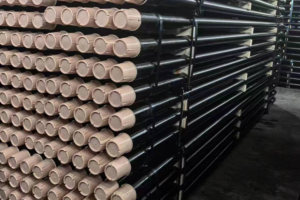
- HDD Drill Rod Steel Price Impact on Costs: 2026 Market Outlook
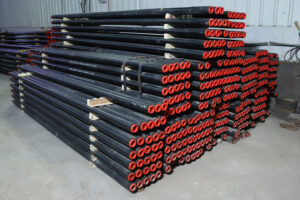
- OEM vs Aftermarket HDD Drill Rods: Warranty, Liability & Performance

- How a Bent Sub or Worn Saver Sub Impacts Your Whole Drill Rod Inventory
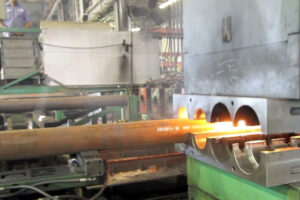
- How Much is Your Old HDD Drill Rod Worth for Scrap? (Current Pricing Knowledge)
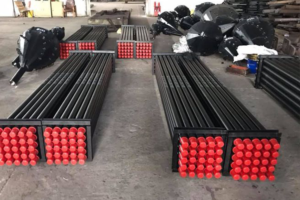
- 7 Deadly Sins of Handling HDD Drill Rods: Dropping, Dragging, Over-Speeding
- Urban Utility Drilling: Why Shorter, Stiffer HDD Drill Rods Are Often Better