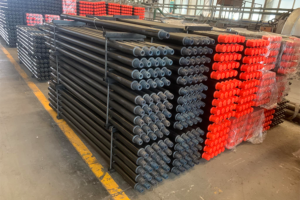
Thread Protectors Are Not Optional: How This $5 Part Saves Your $5,000 Drill Rod
I just returned from the shop floor – still have a bit of grease under my fingernails – and I was looking at a bin of drill rods that made me want to cry. Not for the reason that they were old, but because they were dead. And they needn’t have been.
I have been in this trenchless world non stop for about 5 years now selling these fancy steel pipes for a living. And I’ve watched that same heartbreak happen about a thousand times in that time. A $5,000 drill rod, good as new, perfectly straight, cut to pieces and turned into a useless hunk of scrap, all because of one tiny, stupid, forgotten little thing.
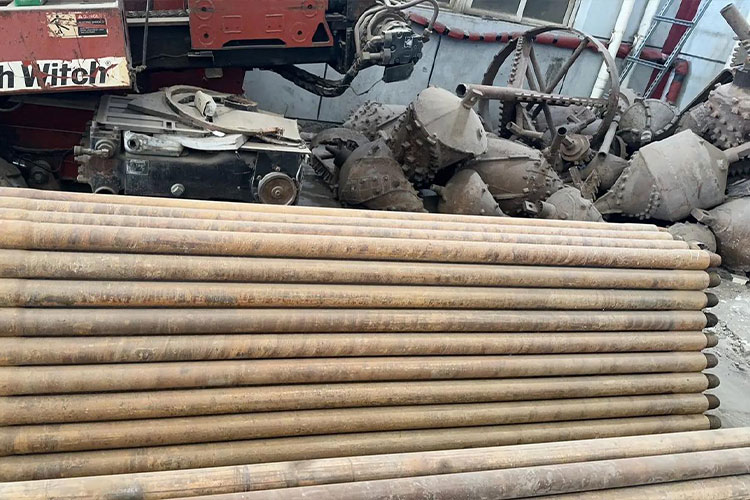
The thread’s protector.
Yeah, I get it. The plastic cover. The thing that ends up in the mud, kicked under the truck, or used as a hammer (don’t lie, I’ve seen you). We treat them like the packing peanuts of the drilling world – nuisance, disposable, and in the way.
But here’s the thing I learned the hard way. That cheap little cap is the only thing standing between you and a very expensive, very frustrating day off.
Let me tell you about my “aha” moment. Because it wasn’t some textbook lesson. It was total, stupid embarrassment.
The Day I Learned Not to Kick Plastic
Consider this: I was a fresh-faced newbie, not even a year in. I’m on a site visit with a customer, a grizzled old foreman named Rick who’d been drilling since before I was born. He’s walking me through his operation and we’re talking mud flow and I’m trying to sound smart. I see a thread protector in the dirt. I take it, flip it over in my hand and say, “You know, Rick, these things cost five bucks. I bet we do well on the markup, huh?”
Rick stopped. He looked at me, looked at the plastic cap in my hand, then back at me again. He didn’t crack a smile.See that bar over there? He gestured to a nice shiny new 5-foot section leaning against the trailer. “That move cost your company $4,800 to move to my yard. “If I’m lucky, there’s about ten miles of drilling left in it.
He took the cap out of my hand. This little guy? Costs me less than a sandwich. And its only job is to keep the sharp, expensive threads from getting dinged, dirty or smashed.”
Then he showed me the bin of “dead” rods. The cemetery. He drew one out. The threads of the box end looked like a crushed soda can. The end with the peg? Rough, gouged.See that?’ he said, running his finger over a nick I could hardly see. “This scratch was done in transit. Some guy wasn’t watching with the forklift. We didn’t see until we tried to make it up. It cross threaded right away. Stuck. It took us four hours and a torch to get it off. By then the threads were gone. We throw away one of these rods every few months because of damage that could have been prevented by this stupid $5 piece of plastic.
That hit me in the stomach. I was the guy who thought they were just a gimmick. I was the guy that probably would have just chucked it. And here was Rick, showing me that my “cheap plastic” was actually a low cost insurance policy.
The Grime Factor (Worse Than You Realize)
And it’s not just the dents, either. Look, we drill in mud. Precisely. That gooey, gritty, sand-filled slurry is all over the place. If you leave the threads exposed on a rod sitting on the rack for a week while you are working another section, that mud hardens up like concrete.
Now you have two options:
Spend 20 minutes with a wire brush and a pick trying to chip that dried mud out of the thread roots and risk scratching the steel.
Just… put it in and hope for the best.
And we all know we do Option 2 at times. And that’s when the grinding begins. That’s when the galling takes place. You’re literally grinding abrasive sand between two hardened pieces of steel. It’s like pulling sandpaper through your threads.
A clean thread is a happy thread. And the only way to keep it clean when it’s out of the box is to put that plastic hat on it. It’s basic hygiene, folks. Wash your hands. Brush your teeth. Put your caps on.
The Just One Trip Lie.
Here’s another one I hear all the time. “I’m just moving it across the yard, I don’t have to put the cap on.
“Stop it. Just quit it.
Last summer I got a panic call from a customer. He was working a river crossing, a big money job. His new 6-5/8″ rod arrived by truck. The crew guys were in a hurry to get going. They pulled the rods off and, to save time, didn’t bother putting the thread protectors back on after they took them off to check the threads (which, good for them for checking).
They stacked the rods on pipe racks. But for an hour, while they refuel the rig. One hour. At that moment a truck went by and kicked up a rock which landed right on the exposed threads of the rod at the end of the rack. You could see the shiny exposed metal where the blow landed.
They fabricated the rod It was “a little tight,” but they got through it. Big mistake. The damage had been done. That little ding made a high spot. When they torqued the rod to drill, that high spot sheared a piece of the thread off. When they pulled that rod out of the ground two hours later it was completely useless.
Lost the pole. They lost time to replace it (which in the middle of a river crossing is basically disaster). Their momentum was lost. And all because they thought the one-trip rule applied.
Your Drill Rig Is Not a Dating App—Don’t Cross-Thread
Let’s talk mechanics for a second. This is the part that keeps me up at nite. When those threads are clean and smooth, the join is beautiful. It’s a perfect match. It’s a pleasure to drive, it holds tight, and it transmits the torque like a dream.
“If you’ve got a ding on the shoulder, or a burr on the root, it screws up the whole geometry. You are forcing the angle to make up on a connection. In the professional world this is called “cross-threading” or, in the real world, “totally ruining your day.”
The force needed to cross-thread a rod because of a damaged thread is huge. You are stressing the box of the rod in the ground, and you are stressing the pin of the rod you are making up. Usually the pin breaks. That’s the tender spot in that fight.
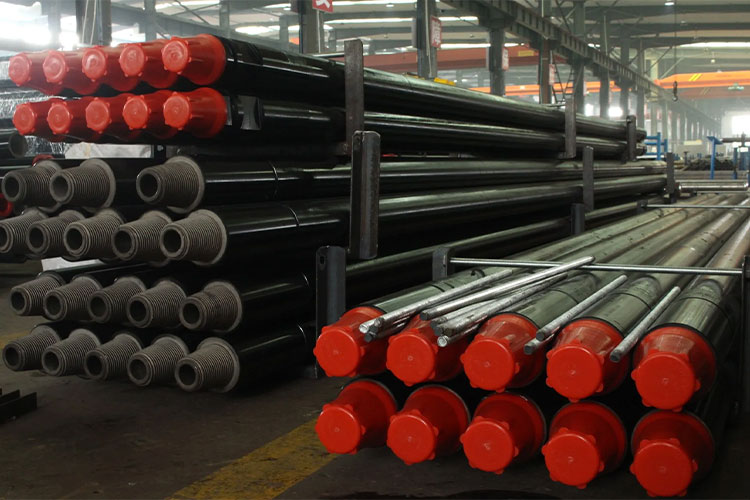
A $5 protector preserves geometry perfectly. It’s like a retainer for your drill rods. Keeps everything straight and true till showtime. You wouldn’t store your $5,000 laptop without a case, right? Nope. You would put it in a sleeve. It’s the same thing, but your laptop weighs 200 pounds and costs more.
Okay so what do I actually do?
Look, I’m not going to lecture you. I’m here to save you money so you can buy more beer and bbq with your crew at the end of the week. A hateful thing it is to see good rods turn bad. It hurts your bottom line, and really? It hurts my soul a little.
So here’s my no-nonsense advice from the trenches. Skip the fancy manuals.
Unless it’s in the box, it’s capped. Turn this into a religion. Unboxed a pole? The other end gets capped. Removing the cap to stab it? The cap remains in your hand until the rod is made up. Don’t put it down. It develops muscle memory.
Change the O-rings of the protectors. “We have some of our caps that have O-rings to keep moisture out. “If that O-ring is cracked, it’s not doing its job.” Change it. They cost a couple cents.
At the end of the day, do a quick “cap check.” Check the rack. See a missing cap? Put one on. It only takes five seconds. Your everyday meditation. Stretch, breathe, cork the pipe.
Have a bin of extras. They crack. They go astray. They are used as ashtrays (please don’t, they are plastic). Keep a new box in your service truck. It’s a low-cost investment.
The Bottom Line (Because We All Care About The Bottom-Line)
We all understand it. The money is in the drilling, not the maintenance.” But the fastest way to stop making money is to stop drilling. And the quickest way to stop drilling is a rod that won’t make up, a thread that is stripped, or a box that is cracked from a weak point.
Now I have these conversations with my regulars all the time. “It’s become our inside joke. I’ll walk in with a pallet of new rods, point at the protectors and say “Here’s your five bucks, don’t lose it!” and they’ll hold it up and say “Saving my five thousand!”
That’s dumb.” It’s a piece of plastic. But in our gritty, muddy, high-pressure world that little piece of plastic is a tiny guardian angel for your expensive steel.
So the next time you see that cap about to kick into the mud, pick it up. Screw it on hard. Tap it a bit. You’re not putting a cap on a rod. “You are saving yourself from a very angry phone call to guys like me.
And believe me, I’d rather talk about your next big horizontal directional drill project with you than have to find you a replacement rod because of a preventable oopsie.
Now get out there and drill safe. And for the love of all that’s holy, cap your threads.
SHARE:
More Posts for You
- Machine Learning for Prediction of HDD Drill Rod Failure – What is Possible?
- How bad can a dogleg be ? HDD drill rod fatigue : what are the safe limits ?
- HDD Drill Rod Steel Price Impact on Costs: 2026 Market Outlook
- OEM vs Aftermarket HDD Drill Rods: Warranty, Liability & Performance

- How a Bent Sub or Worn Saver Sub Impacts Your Whole Drill Rod Inventory
- How Much is Your Old HDD Drill Rod Worth for Scrap? (Current Pricing Knowledge)
- 7 Deadly Sins of Handling HDD Drill Rods: Dropping, Dragging, Over-Speeding
- Urban Utility Drilling: Why Shorter, Stiffer HDD Drill Rods Are Often Better