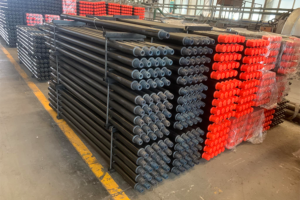
Do You Paint Or Not Paint HDD Drill Rods?
Let’s discuss something that’s been nagging at me for years. I can’t tell you how many times a customer has asked me, “Should I paint the body of my HDD drill rods?”
My initial honest answer? Do not.
But I get it. People like their rods pretty. Maybe a nice bright colour that the crew can see on the rack. Or a paint job to “stop the rust.” That sounds good huh?
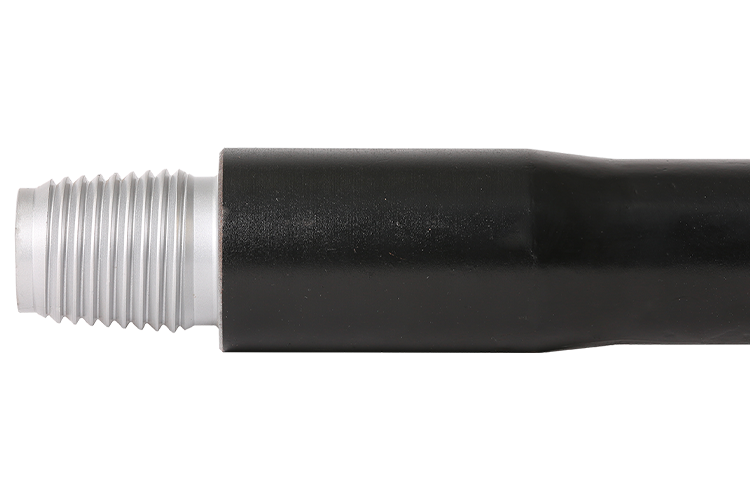
That’s what I was thinking too. Until a job taught me the hard way.
The Moment that Changed My Mind
Alright. Let’s rewind six years. I was still a little new to the non-destructive world back then. I had this old school driller I really looked up to. Guy had been pulling pipe before I knew what a horizontal directional drill was.
He swore to paint his rods. Said it kept rust away and made the equipment look “professional” on site, even claimed it reduced friction. I thought to myself, “Hey, maybe he’s got a point.”
And I did so. Small Batch Nice shiny paint on the rod body – not the threads obviously, I’m not a monster. It looked beautiful.
Three weeks afterwards. And same customer phoned me and was pissed. Not disappointed Mad.
He had his rod stuck in the bore.” When they finally pulled it out the paint had chipped off in tiny flakes – like little razor sharp confetti. The flakes got into the drilling mud, swelled a little and turned into a sticky mess. Started his mud motor. Slowed down his whole work.
That was my lightbulb moment. I stood in the shop holding that ruined rod and thought, I’ve been an idiot.
What Really Happens to Paint Downhole
Let me paint you a picture, no pun intended.
Your drill rods are in the inferno. For real. High pressure mud, sand, rock cuttings, constant vibration, heat that can cook an egg. Paint don’t stand a chance.”
This is what really happens:
It flakes. Almost right away. The rod flexes a little under the torque, the paint film breaks and mud gets underneath.
It comes off. Now you have free flakes in the mud flow. Those flakes do not melt. They go all the way down to your mud motor, your bits, your reamer.
It becomes abrasive. Believe it or not, these little paint chips are tough. They grind against the bore wall and the rod. Congratulations – you have just made your own abrasive slurry.
I’ve watched crews spend hours trying to fish a stuck string out of a bore only to discover that the real problem was paint flakes gumming up the works. Not a stone. Not a bad steer though. Painting.
So please don’t say to me “it’s just a thin coat.” Thin coat, thick coat–downhole, it’s all trash for the future.
“But What About Rust Protection?” The Real Enemy
This is where the customers push back. “John, I have to stop the rust. My rods are out over night. Sometimes an entire weekend.
I hear ya. But here’s the thing – paint on the rod body is NOT the way to stop rust in HDD.
The real enemies are:
The thread is where your money goes. Junk rods are worn threads. Painting does no good to threads.
ID corrosion – inside of rod where mud sits after a shift. Paint couldn’t get in there anyway.
Fatigue cracks are hidden by paint. You think your rod is fine, but underneath that pretty colour is a crack forming. Before you know it, snap.
Want to keep your rods from rusting? Instead, do this:
Rinse them out after every shift.” Get the wet mud off you.
Wipe them off with a cloth. Dry storage if possible.
Don’t let them touch the ground. Wood blocks, pipe racks, whatever.
Lots of thread compound. That’s your real rust fighter on the critical surfaces.
Paint? And paint just makes you feel good. Like putting a Band-Aid on a broken leg.
All right, But How About a Little Colour Band? Only for ID?
Okay, okay – I’m not a complete purist.
I know there are some job sites that need colour coding on the rod ends. Maybe yellow band means new rods, red means retired, blue means something else. That’s okay. I do that in my own inventory myself.
My rule is this: A small band around the tool joint is ok – maybe 2-3 inches. Just leave it off the work surface.
Avoid getting any paint in the area where the rod contacts the bore wall or where the make-up torque occurs. And that’s when the trouble starts.
And for god’s sake don’t use the cheap spray paint from the hardware store. If you have to paint a small marking, use a thin-dry paint with high adhesion for downhole marking. I’d rather you just use a permanent marker or simple engraving even then.
What I do and what I suggest you do
After that embarrassing lesson a few years ago, here’s what I changed:
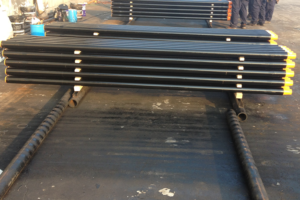
No paint on rod body. Always. Bare metal. Clean it, oil it lightly if you store long-term, but don’t paint it.
Threads get a good compound. That’s not up for discussion.
Storage racks rock. I made simple wood racks for my shop. Rods remain dry, away from dirt.
I clean the whole set once a month. Takes about 30 minutes. Saves me thousands on new rods.
One of my very best customers, a guy that runs four rigs in rocky ground, used to paint his rods every spring. He left after our talk. Six months later he called me up and said, “You know what? My mud motor life was doubled. I didn’t believe you at first.
That’s the kind of phone call I actually like.
Final Thoughts – Keep the Paint for Your Kid’s Bike
Look, I’m not telling you how to run your business. You know your ground, your crew, your budget better than anyone else.
But if you ask me – guy who’s watched hundreds of rods fail for stupid reasons – paint on HDD drill rod bodies is one of those “good idea at the time” moves that never pans out.
Keep the paint for your kid’s bike. Or your mail box. Or that outbuilding in the back that is begging for a facelift.
Downhole ? Keep your rods clean and bare and gay.
SHARE:
More Posts for You
- Machine Learning for Prediction of HDD Drill Rod Failure – What is Possible?
- How bad can a dogleg be ? HDD drill rod fatigue : what are the safe limits ?
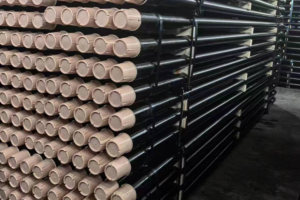
- HDD Drill Rod Steel Price Impact on Costs: 2026 Market Outlook
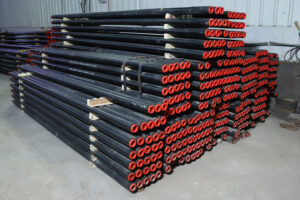
- OEM vs Aftermarket HDD Drill Rods: Warranty, Liability & Performance

- How a Bent Sub or Worn Saver Sub Impacts Your Whole Drill Rod Inventory
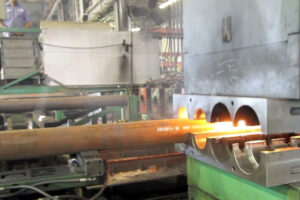
- How Much is Your Old HDD Drill Rod Worth for Scrap? (Current Pricing Knowledge)
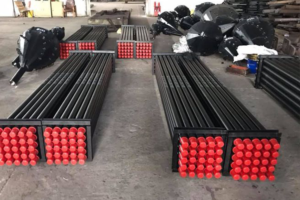
- 7 Deadly Sins of Handling HDD Drill Rods: Dropping, Dragging, Over-Speeding
- Urban Utility Drilling: Why Shorter, Stiffer HDD Drill Rods Are Often Better