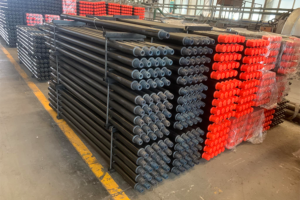
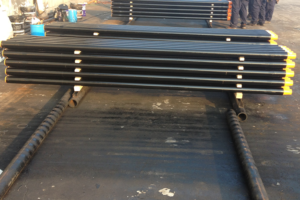
Heavy Duty HDD Drill Rod D20x22 D24x40 D130 for Underground Utility Pipeline Installation
Hey pal. Take a seat.
So the other day I was going through some old job photos. You know, the ones you go back and look at, and just cringe a little? There I am, four years ago, standing next to a job site with this stupid look on my face. I’d just broken a D24x40 rod in two. Not crooked. Not used up. Broken. Like a cheap pen.
And the best part? The poor fellow just looked at me. Didn’t even get angry. Just said, “You said this rod would take the pull-back.”
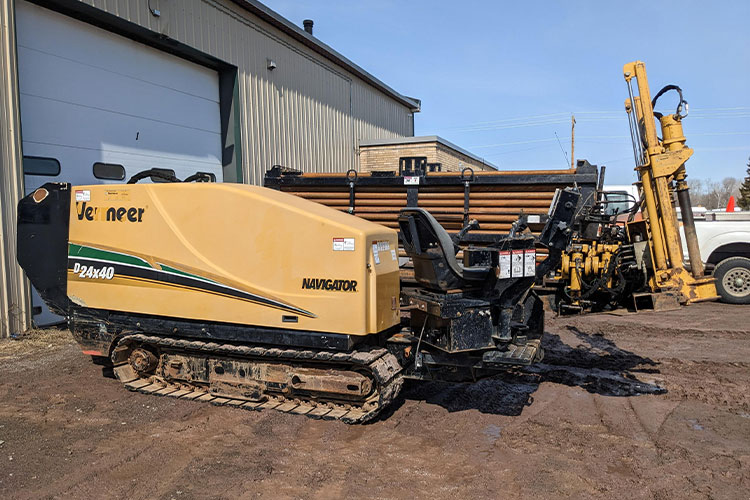
And you know what? I said that. Because back then I thought heavy duty meant… thicker. Or more. I don’t know. I was a sales brochure idiot.
I didn’t sleep that night. Kept replaying the sound of that rod breaking off. That was my “oh crap, I need to learn this stuff for real” moment.
Here’s what I finally learned The hard way (so you don’t have to)
That D20x22, D24x40, D130 series? Those are not just numbers we grab out of our asses and throw up on a spec sheet to look smart. They’re the difference between finishing off a bore before lunch and spending your Saturday fishing broken steel out of a hole.
Here’s how I would explain it to you if we were having a beer after work.
The D20x22 – the little workhorse that can
Consider it your everyday workhorse. Not the flashy one but one that never complains. For small to mid bores like pulling a 2” or 3” conduit under a two lane road. I used to over-spec big rods for these jobs because I didn’t trust the little guys. Big blunder.
“You just wear out your rig and your arm. The D20x22 is light enough that your guys won’t hate you, but tough enough that you’re not crossing your fingers every time you pull back.
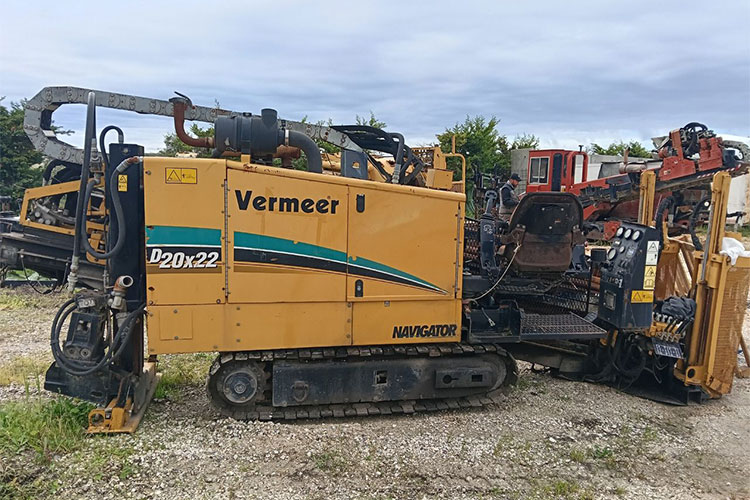
The D24x40 – okay this one’s my favourite (Don’t tell the others)
And I will tell you why. Last year a contractor, working in rocky ground, kept burning out rods. He calls me frustrated saying “your stuff isn’t working. I go down there. It was a stiff rod he was using for the curves he drilled.”
The D24x40 has this sweet spot – it has the muscle for medium heavy pulls (think 4” to 6” pipes, maybe 400 feet), but it flexes enough to deal with some steering. The moment he altered? His crew quit breaking rods. The next day I got a very grumpy “fine, it works” text. In this industry, that’s basically love letter.
The D130 – big boy rules (and warnings)
This is the big one. And I’m gonna keep it real with you. If you don’t need it, don’t buy it. “Too much for small jobs. But when you’re pulling a 12” steel casing under a highway, or a river crossing? Yeah, you want this.
The D130 laughs at torque that would twist other rods into pretzels. I’ve seen guys try to “save money” by running lighter rods on a big bore. They call me at 2 AM, after 3 broken rods and a lost drill head. I always feel bad but I want to say “I told you so” too. (I don’t. But I think so.)
The secret truth? It’s the threads, stupid.
Here’s something no one tells you: the rod is not the star of the show. The link is.
I don’t care how beefy the steel looks. If the threads wear out after 3 jobs, you got fucked. The reason I use these D-series rods? The threads are heat treated to a different spec than the body. Yeah, I know, it sounds nerdish. But what that means for you: the threads don’t gall up after a few hundred feet of sand or clay. You’re not at work, 4 P.M., sweating and swearing, trying to break a joint loose, with a pipe wrench in your hand.
My old boss used to say “Selling a drill rod without good threads is like selling a truck with bad tires.” Sure, the engine may be great. But you’re still stuck on the side of the road.
All right. Let me be frank with you.
Look, I’m not going to sit here and say our rods are perfect. Nothing is. We’ve had batches in which the paint markings faded too fast (fixed it). Last year we had a shipping mess-up where D24x40s were shipped to the wrong warehouse (I personally made some very apologetic phone calls). But steel? Heat treatment? How they deal with real life abuse? That I support.
So the next time you’re looking at a job, don’t just grab whatever rod happens to be nearest the door. Think of the ground. The size. Force of pullback. and if you’re not sure ping me. I’ve done all the stupid mistakes for you. I may as well use ’em.
Now go break some rock, not some rods.
- Hey pal. Take a seat.
- Here's what I finally learned The hard way (so you don't have to)
- The D20x22 – the little workhorse that can
- The D24x40 – okay this one’s my favourite (Don’t tell the others)
- The D130 – big boy rules (and warnings)
- The secret truth? It's the threads, stupid.
- All right. Let me be frank with you.
SHARE:
More Posts for You
- Machine Learning for Prediction of HDD Drill Rod Failure – What is Possible?
- How bad can a dogleg be ? HDD drill rod fatigue : what are the safe limits ?
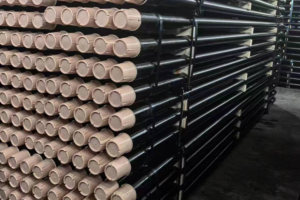
- HDD Drill Rod Steel Price Impact on Costs: 2026 Market Outlook
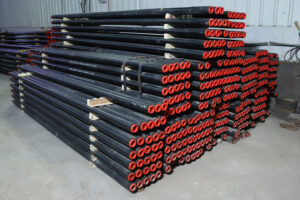
- OEM vs Aftermarket HDD Drill Rods: Warranty, Liability & Performance

- How a Bent Sub or Worn Saver Sub Impacts Your Whole Drill Rod Inventory
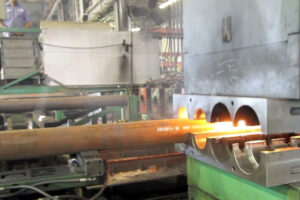
- How Much is Your Old HDD Drill Rod Worth for Scrap? (Current Pricing Knowledge)
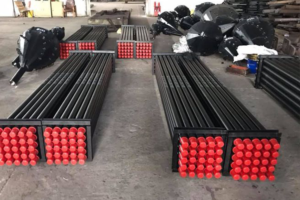
- 7 Deadly Sins of Handling HDD Drill Rods: Dropping, Dragging, Over-Speeding
- Urban Utility Drilling: Why Shorter, Stiffer HDD Drill Rods Are Often Better