HDD Drill Rod Storage Best Practices Keep Your Pipe Straight and Rust-Free
The Day I Learned My Lesson the Hard Way
Let me tell you of my second year in this business. I was young, cocky and thot I knew everything about drill rods. We had a big job on the line: 500 feet of brand new, shiny 4-inch rod sitting in our yard. It’s steel, not a puppy, I thought. It doesn’t take babysitting.” So I left ’em stacked on bare ground, no tarps, no nothing, because rain wasn’t in the forecast.
Yep. That nite a freak thunderstorm blew in. Then another two days after that. We loaded those rods on the rig by the time they looked like they’d been dredged from a shipwreck — orange rust blooming everyplace, and a few of ’em had a subtle banana curve that made my heart sink.
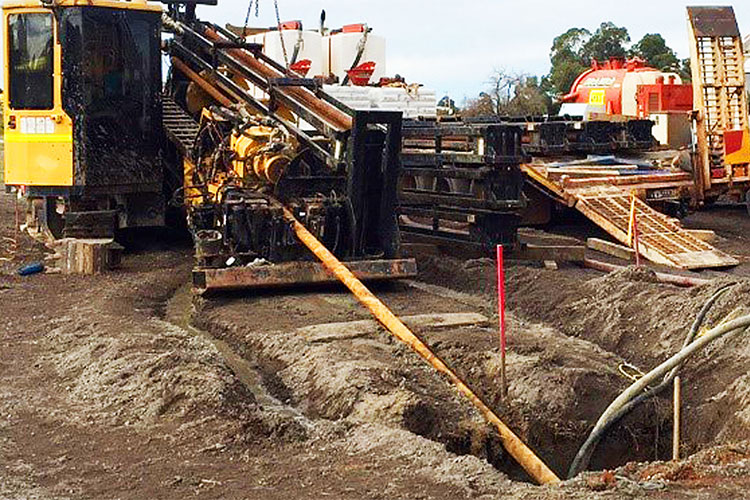
That job became a nightmare. The threads weren’t mating clean, we had to hammer the joints apart every other connection, and we snapped a rod 80 feet down. cost us two extra days, a new rod and a very grumpy driller who still brings it up at Christmas parties.
So yeah – I don’t proselytize storage because I’m a neat freak. I preach because I bled this lesson. And I’d rather you learn from my mistake than yours.
Rule 1: Keep It Off the Ground – Like, Really Off the Ground
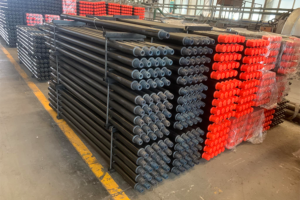
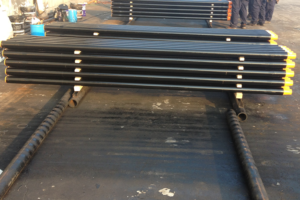
I mean, don’t just “throw a couple of 2x4s under it and call it good.” I mean get them rods up on proper racks, at least a foot off the dirt. Why? Because ground moisture is a tricky thing. You may not have seen rain, but at nite the ground breathes out moisture, and that moisture condenses on the bottom of your pipe like a cold beer on a hot day.
My new favorite is treated timber or steel cradles spaced at 10 foot intervals. And I stagger the layers – I put wooden strips between each tier so air can get thru. It’s like drying firewood: you need air underneath it, not a tight stack that sweats.
“I had one customer use old railroad ties. Worked great for elevation, but forgot to check for protruding nails. Scratched the rod surface to hell and back and scratches are rust’s best friends So if you do use reclaimed lumber, inspect it. Your drill pipe deserves more than a tetanus shot.
Rule 2: Straightness is not optional, it’s survival
Here’s the thing about bent rods. They’re not just ugly. They make your borehole go wonky, wear out your tooling faster and turn your thrust and torque readings into a roller coaster. And the bad part? They don’t change overnight. They bend slowly, from leaning on a fence post for three months, or having heavy equipment stacked on them because someone was too lazy to move them.
I have started using simple A frame racks that support the rod on the full length of the rod not just at the ends. If you can’t do that, at least rotate your stock every few weeks. Bottom pipes to top, ends flipped, contact points changed. It’s like rotating your tires – a five-minute habit that saves you a thousand-dollar-hangover.
And please – for the love of all that is holy – don’t store rods vertically unless you have a proper pipe stand with padded collars. I remember once going into a yard where they were leaning rods against a chainlink fence like pool sticks. “There were three permanent sets in ‘em. They were scrapped. Kissed my soul.
Rule 3: Rust is a thief – so paint it out
I’m not talking about painting your rods, that’s another story. But a thin film of good quality corrosion inhibitor is magic. Clean it with a rag, especially the threads and the box ends. If possible, store it indoors. If you don’t have a warehouse, at least cover them with a breathable tarp, not plastic. Plastic traps moisture below and turns your rods into a sauna. Bad news.
My own trick? I have a cheap spray bottle of a mix of hydraulic oil and mineral spirits. Spray the rods just before putting them away and just before they go out to the job site. It takes ten minutes to do an entire rack. My threads last twice as long and my pin connections don’t squeal like stuck pigs.
Oh, and check your rod caps. If you’re not using thread protectors, you’re basically throwing a party for dirt and moisture in your threads. And once you get that grit in there, it’s like sandpaper every time you make or break a joint”. I’ve seen threads that look like they’ve been chewed by a beaver. Don’t be that person.
The Walkaround “Every Six Months”
Here’s my lazy-but-effective system: A couple of times a year – usually spring and fall – I do a slow walkaround my storage area with a cup of coffee and a straightedge. I pick one rod from each layer, roll it on a flat surface and listen for the telltale thump-thump that says there’s a bend. I run my gloved hand along the body to feel for rough spots.
Last fall I found a rod that had a small pit in it, looked like a speck of dirt. But under that speck was a rust crater 1/16” deep. That rod going into a bore would have been a guarantyd washout. Got it early, pulled it and sold it for scrap. Cost me $50 instead of a $2,000 downhole bust.
That’s the kind of return that makes me feel like a genius – and I’ll take those small wins any day.
Let’s Talk About That “One Time” You’ll Never Forget
I had this customer in Texas, a great guy who runs a three-rig operation. He left his rods out on concrete blocks, no covers, no rotation. One Monday he called me fuming that his new 6” rods were getting surface rust after only 2 weeks. “Did you wash them after the last job?” I asked him.
Silence.
It turned out that he had been storing them with drilling mud still caked on the outside. That mud is like a sponge that drinks up moisture, and it’s a little acidic to boot. He spent all over Saturday pressure washing and wire brushing 200 rods. Called me back, humbled, and said, “I’ll never do that again.”
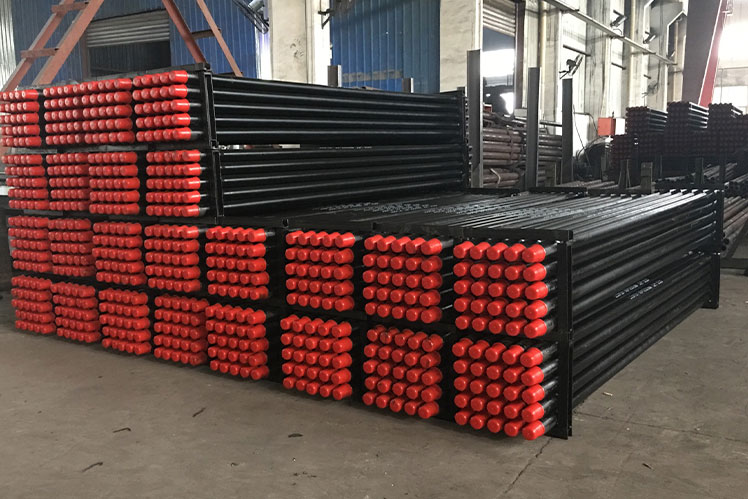
Now he keeps them clean and dry and a little elevated – and swears his rod life has gone up 30%. That’s not magic. That’s just paying attention.
My Final Two Cents (From the Heart)
Look, we all get busy. The job is done, the crew is tired, the next bid is due, and the rods are just dumped in the yard. I get it – I’ve been there myself. But treat your drill pipe like it’s part of your team, not just a hunk of metal. It works for you. It wrenches, it jerks, it buries the abuse. At least we can provide it with a dry place to sleep at nite.
If you remember three things from this ramble:
Pick it up.
Straight on.
Keep it covered and clean.
That’s all. No magic potion. No expensive gadgets. Just good old-fashioned care. And if you ever come to our factory, I’ll show you our storage solution and you can laugh at my first year mistakes in person.
Until then, keep your lines straight and your boreholes clear. And if you have a storage horror story of your own, leave me a comment – misery loves company and I’ve got enough coffee to share!
- The Day I Learned My Lesson the Hard Way
- Rule 1: Keep It Off the Ground – Like, Really Off the Ground
- Rule 2: Straightness is not optional, it’s survival
- Rule 3: Rust is a thief – so paint it out
- The Walkaround “Every Six Months”
- Let’s Talk About That “One Time” You’ll Never Forget
- My Final Two Cents (From the Heart)
SHARE:
More Posts for You
- Machine Learning for Prediction of HDD Drill Rod Failure – What is Possible?
- How bad can a dogleg be ? HDD drill rod fatigue : what are the safe limits ?
- HDD Drill Rod Steel Price Impact on Costs: 2026 Market Outlook
- OEM vs Aftermarket HDD Drill Rods: Warranty, Liability & Performance

- How a Bent Sub or Worn Saver Sub Impacts Your Whole Drill Rod Inventory
- How Much is Your Old HDD Drill Rod Worth for Scrap? (Current Pricing Knowledge)
- 7 Deadly Sins of Handling HDD Drill Rods: Dropping, Dragging, Over-Speeding
- Urban Utility Drilling: Why Shorter, Stiffer HDD Drill Rods Are Often Better