Under the Street & Out of Sight: My Love Letter to HDD in Fiber Projects
Grab a coffee and settle in. I want to tell you why I get genuinely excited about running fiber optic cables these days. It’s not the tech itself—it’s how we put it in the ground.
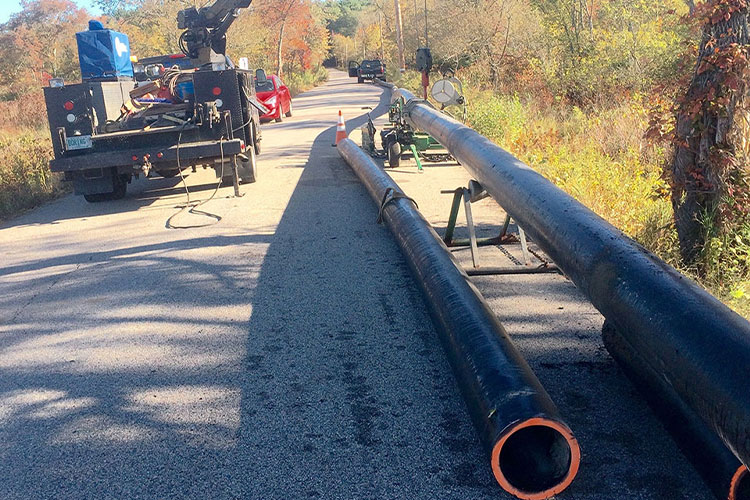
Remember the last time you were stuck in traffic because of “utility work”? That familiar maze of orange cones, roaring excavators, and lanes squeezed to oblivion? Yeah, me too. I used to just sigh and accept it as the price of progress. But now, working with HDD day in and day out, I see a better way. Let me share a few stories that changed how I see this whole game.
That “Holy Smokes, It’s Possible” Moment
My real conversion happened about three years ago. A client was facing a nightmare: getting fiber across a 300-meter stretch that included a scenic creek, a paved community trail, and the root zones of some protected old trees. The traditional bid? A mess of permits, cofferdams for the creek, boardwalk demolition, and a PR headache. We proposed HDD.
The day we launched the pilot bore, the park was full of people walking their dogs. Nobody even noticed us tucked away in a small work zone off the main path. Two days later, when we completed the pullback and the team started packing up, the project manager just stood there shaking his head. He said, “I’ve been in civil work for 20 years. I’m used to leaving a scar. This… this just feels like we got away with something.” That’s the magic. You solve a huge problem and leave the world above looking untouched. It feels less like construction and more like a clever heist.
It’s Not Just About Being “Neat” (Though That’s a Huge Win)
Let’s be real. Avoiding surface destruction is the headline, but the benefits run deeper. Think timeline. Open-cut methods get delayed by weather, unexpected subsurface utilities, or the need to reinstate complex landscapes. HDD operations, once the drill path is plotted, often become a steady, predictable process underground. Rain on the surface? We’re usually still drilling down below.
Then there’s the social license. Digging up a neighborhood street for weeks is a surefire way to get an earful from business owners and residents. HDD minimizes that friction dramatically. Your worksite is compact. The noise is mostly contained to the drill rig area. It’s a good neighbor approach, and in today’s world, that’s worth its weight in gold.
The “But What If…” Questions I Hear All the Time
Talking to folks new to HDD, I sense the same hesitations I once had. So let’s chat about them like we’re at a job site trailer.
“My project’s too small for that fancy stuff, right?” I used to think that too! But HDD isn’t just for crossing rivers. We’ve done brilliant work on “small” urban routes: under driveways to avoid restoring stamped concrete, under sidewalks to dense tree roots, even under building corners. Sometimes, the most valuable application is avoiding a single, costly surface obstacle.
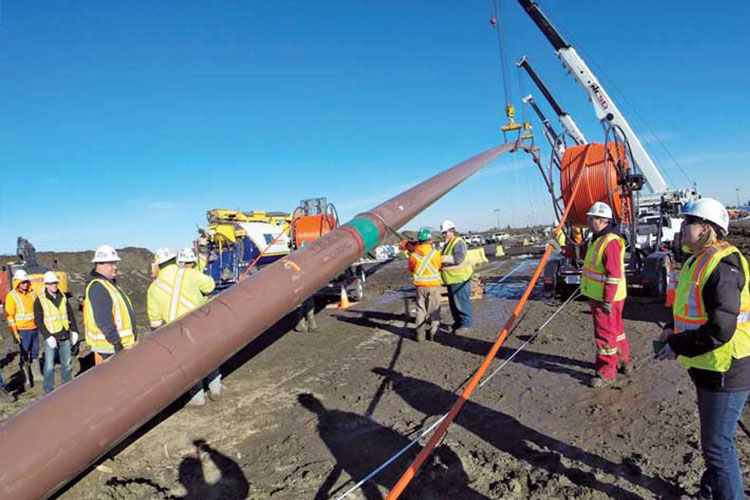
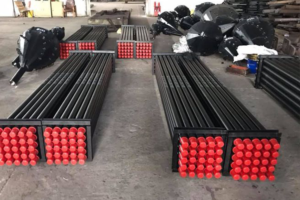
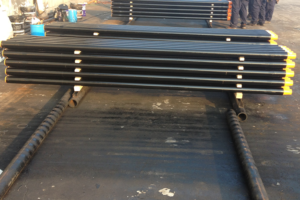
“What about rocky ground? I’ve heard nightmares.” Fair point! Not every soil is a perfect friend. This is where the right tooling becomes your best pal. It’s like choosing between a butter knife and a chef’s knife—you need the right one for the job. We’ve learned that a good rock drill head, paired with sturdy drill pipe that can handle the torque and push, turns a “no-go” into a “go.” The lesson? A detailed geotechnical report isn’t just paperwork; it’s your recipe for choosing the right tools from the box.
The Toolbox Talk (Without the Sales Pitch)
I work at a factory that makes drill pipe and tools, so I nerd out on this stuff. But my biggest takeaway for you isn’t a brand name—it’s a mindset. Success in HDD is about fit. Using heavy-weight, high-torque pipe for a short, soft-soil shot is overkill. Using standard pipe in erratic, rocky cobble is asking for trouble.
My “aha” moment here was watching a crew struggle on a mixed-soil site. They were fighting steering, and the progress was slow. We suggested swapping to a different type of mud motor and a more robust housing. The change wasn’t dramatic on paper, but on the ground? The drill head started holding its line beautifully. It was a reminder that the “accessories” aren’t optional extras; they’re the translators between your plan and the earth.
Wrapping It Up: The Future is Quiet and Underground
Look, I’m not saying HDD is the answer to every single utility installation. But for fiber, which is literally the backbone of our connected world, it’s a game-changer. We’re building the future’s infrastructure without constantly tearing up the present.
Next time you see a fiber crew set up in a small corner of a field or a parking lot, instead of a mile-long trench, you’ll know what’s up. They’re probably steering a drill head deep underground, connecting points A to B with minimal fuss. And that’s something I can get behind.
Got a route that’s giving you headaches? A tricky obstacle in your plans? Hit reply. I love these puzzles. Not to sell you something, but because figuring out how to do it cleanly and smartly is the part of this job that never gets old.
SHARE:
More Posts for You
- Machine Learning for Prediction of HDD Drill Rod Failure – What is Possible?
- How bad can a dogleg be ? HDD drill rod fatigue : what are the safe limits ?
- HDD Drill Rod Steel Price Impact on Costs: 2026 Market Outlook
- OEM vs Aftermarket HDD Drill Rods: Warranty, Liability & Performance
- How a Bent Sub or Worn Saver Sub Impacts Your Whole Drill Rod Inventory
- How Much is Your Old HDD Drill Rod Worth for Scrap? (Current Pricing Knowledge)
- 7 Deadly Sins of Handling HDD Drill Rods: Dropping, Dragging, Over-Speeding
- Urban Utility Drilling: Why Shorter, Stiffer HDD Drill Rods Are Often Better