Stuck in the Sand? Let’s Talk About the Right Pipe for the Job
I was going through some old project photos the other day—you know, the ones that make you cringe a little because you remember exactly how tough that job was. And it got me thinking about something I wish someone had sat me down and explained properly when I first started in HDD: drill pipe types.
I’ll be honest. When I was a greenhorn about five years ago, I thought drill pipe was just… pipe. You know? Long, hollow, steel. Threads on both ends. What’s the big deal?
Oh, boy. Was I wrong.
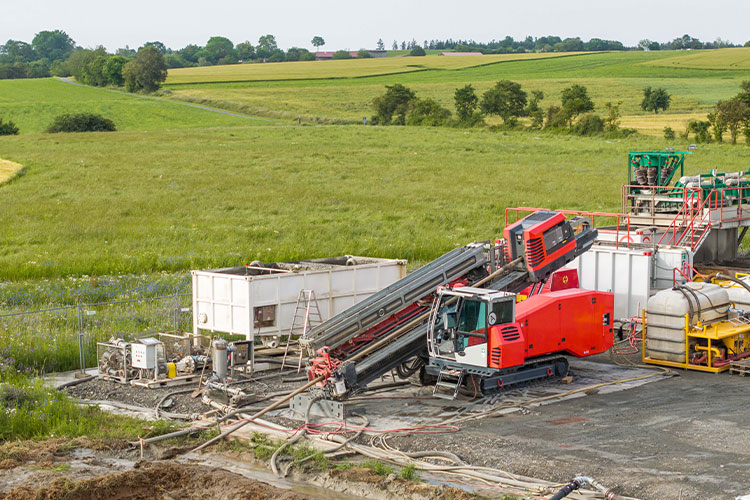
I learned this lesson the hard way on a river crossing job back in 2019. We were fighting this nasty, shifting sand layer, and we kept getting stuck. I mean, we were spinning our wheels for days. The super on site finally looked at me and said, “Son, you’re trying to eat soup with a fork.” He made me switch out the standard pipe for something better suited, and just like that, we were moving again. That was my “lightbulb” moment.
So, let’s break down the types of HDD drill pipe like we’re just chatting over a coffee. This isn’t a textbook lesson; it’s just the stuff I wish I knew back then.
The Workhorse: Standard Flush Joint Pipe
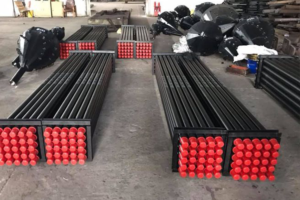
This is your everyday, go-to pipe. If you’re doing a typical road bore or a short shot in decent dirt, this is probably what’s on your rack.
- The Vibe: Reliable, sturdy, and it gets the job done.
- My Take: Think of it like a standard screwdriver. It’s in your pocket 90% of the time. It’s strong, the connection is solid, and it doesn’t try to be fancy. It just works.
The Problem Solver: The “Coiled” or “Spiral” Pipe
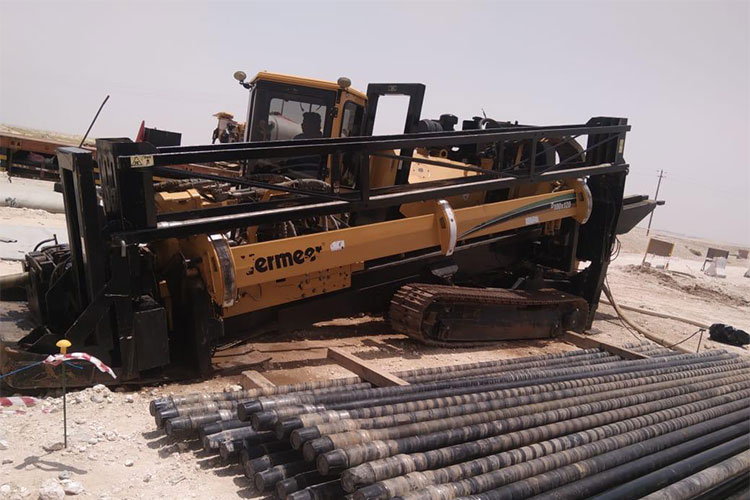
Okay, so remember that story about the sand? This is the “fork” for your “soup.” Spiral pipe has those ribs wrapped around the outside.
- The “Aha!” Moment: That spiral isn’t just for looks. It does two things that blew my mind when I first understood them.
- Reduces Surface Area: Less pipe touching the wall of the hole means less friction. Less friction means you can pull further without stalling out.
- Moves the Mud: Those spirals actually help push the drilling fluid (mud) back up the hole, which keeps everything lubed up and moving.
- When to use it: Sticky clays, running sands, or long horizontal runs where you’re worried about getting stuck. This pipe is a lifesaver.
The Heavy Lifter: The Thick Wall (or Heavy Weight) Pipe
This is the guy you call when things get serious. You’re usually transitioning from the pilot hole to the reaming phase, or you’re pulling back a heavy product line.
- The Difference: It’s thicker between the tool joints. It’s literally heavier. This adds weight to the drill string right above the reamer or bit.
- Why it matters: It helps keep the hole straight and provides the necessary heft to pull those big reamers through. It’s like the difference between using a regular hammer and a sledgehammer. When you need to break something big, you grab the sledge.
The Specialist: The Double Wall Drill Pipe
I don’t use this every day, but when you need it, nothing else will do. This is pipe-within-a-pipe.
- The Cool Factor: It creates two separate flow paths. You can drill with air or foam down the center and use the outer ring for a vacuum return. It’s mostly used in “air hammer” or “dual rotary” drilling in really hard rock or bouldery ground.
- My Take: This is your specialized tool. It sits in the toolbox until you hit that impossible rock shelf, and then it’s the only thing that saves the job.
Look, the biggest lesson I’ve learned is that picking the right pipe isn’t just about “what fits the rig.” It’s about matching the tool to the ground you’re fighting.
Next time you’re looking at your drill string, just ask yourself: Am I using the right tool for the soup I’m in?
If you ever want to bounce ideas off me about a tricky site you’ve got coming up, just shoot me a message. I love geeking out on this stuff.
Happy drilling, and stay safe out there!
SHARE:
More Posts for You
- Machine Learning for Prediction of HDD Drill Rod Failure – What is Possible?
- How bad can a dogleg be ? HDD drill rod fatigue : what are the safe limits ?
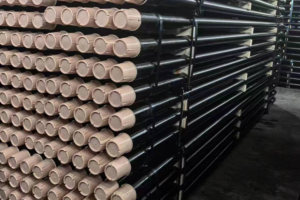
- HDD Drill Rod Steel Price Impact on Costs: 2026 Market Outlook
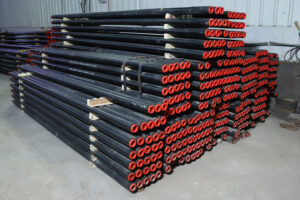
- OEM vs Aftermarket HDD Drill Rods: Warranty, Liability & Performance
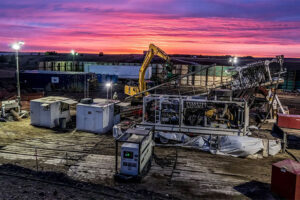
- How a Bent Sub or Worn Saver Sub Impacts Your Whole Drill Rod Inventory
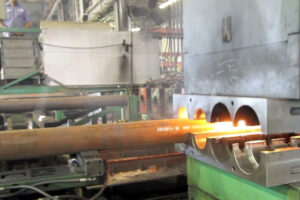
- How Much is Your Old HDD Drill Rod Worth for Scrap? (Current Pricing Knowledge)
- 7 Deadly Sins of Handling HDD Drill Rods: Dropping, Dragging, Over-Speeding
- Urban Utility Drilling: Why Shorter, Stiffer HDD Drill Rods Are Often Better