The Vital Role of Horizontal Directional Drilling in Pipeline River Crossings
When we think about laying pipelines across rivers, the image of dredging, cofferdams, and disrupted waterways often comes to mind. These traditional open-cut methods are not only invasive and disruptive but can also pose significant risks to aquatic ecosystems and riverbank stability. Thankfully, modern engineering has provided a superior alternative: Horizontal Directional Drilling (HDD).
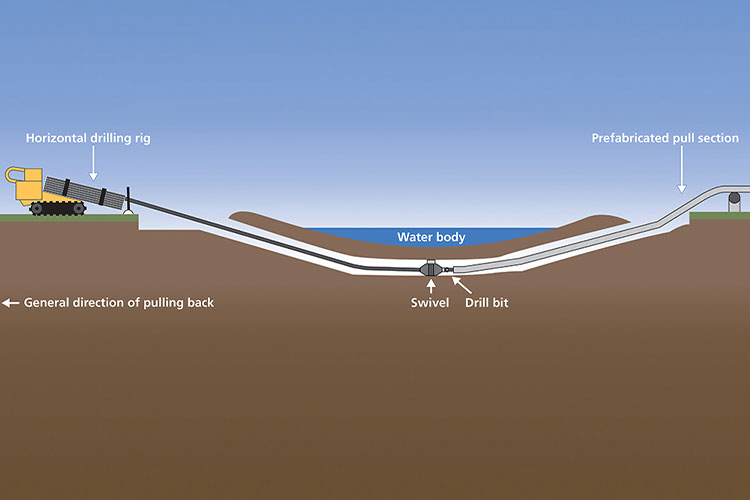
In river crossing projects, this method isn’t just convenient; it’s revolutionary, offering a smarter, safer, and more sustainable path forward.
What is Horizontal Directional Drilling (HDD)?
Horizontal Directional Drilling is a precise, trenchless method ideal for long-distance installations beneath obstacles like rivers.
The process involves three key stages: first, drilling a small, guided pilot bore along a designed curved path from one bank to the other; second, progressively enlarging this bore to a diameter suitable for the pipeline; and finally, pulling the pre-assembled pipeline back through the prepared hole.
All this activity occurs deep below the riverbed, leaving the water body and its ecosystems completely untouched.
Why is HDD Indispensable for River Crossings?
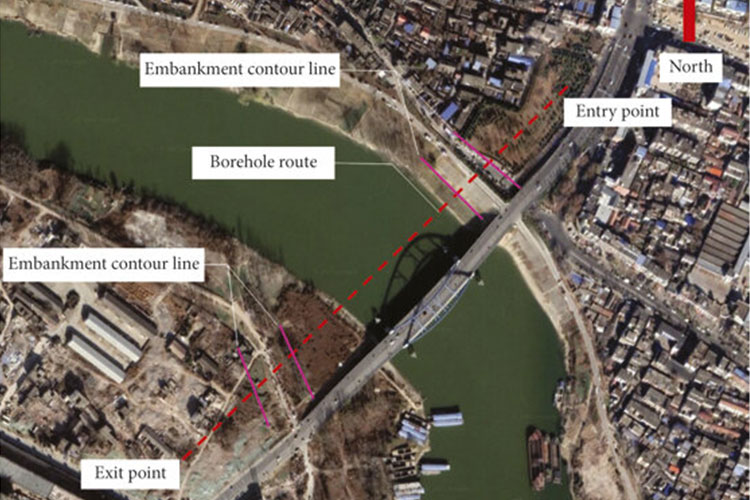
The importance of HDD in this sensitive application cannot be overstated. Here are the key reasons:
- Unmatched Environmental Protection: This is HDD’s foremost advantage. By entirely avoiding disturbance to the riverbed, banks, and water column, HDD protects fish habitats, spawning grounds, and water quality. It eliminates the risk of creating sediment plumes, which can smother aquatic life and complicate water treatment.
- Preservation of River Ecology and Hydrology: Unlike open-cut methods that can alter flow and cause erosion, HDD maintains the natural hydraulic regime and the integrity of the river ecosystem. This makes it the preferred choice for meeting stringent environmental regulations and sustainability goals.
- Minimal Social and Community Disruption: Riverbanks are often recreational or protected areas. HDD requires only a relatively small entry and exit site on each bank, avoiding massive construction footprints. This significantly reduces noise, dust, traffic disruptions, and visual impact on communities.
- Enhanced Safety and Long-Term Security: HDD removes the dangers of in-water work for construction crews. Furthermore, it allows the pipeline to be installed at a significant depth below the riverbed, placing it safely beyond the reach of river scour, ice floes, anchor strikes, or future dredging activities, ensuring exceptional long-term pipeline integrity.
- Efficiency and Cost-Effectiveness: While requiring specialized equipment and expertise, the HDD process for a river crossing is often faster than constructing and dewatering cofferdams. When total project costs are considered—including environmental mitigation, restoration, and social licensing—HDD frequently proves to be the more economical and efficient solution overall.
- All-Weather and Seasonal Advantage: HDD operations are largely independent of river flow levels or surface weather conditions, unlike traditional methods that can be halted by floods or high water for months. This allows for more predictable and flexible project scheduling.
Conclusion: The Clear Standard for Modern River Crossings
For pipeline installations beneath rivers, Horizontal Directional Drilling has evolved from an innovative alternative to the industry standard. It represents the perfect synergy of precision engineering and environmental stewardship.
By choosing HDD, we secure critical infrastructure for water, energy, or data transmission while actively preserving our vital river ecosystems. It’s a powerful demonstration of how advanced engineering can build resilient systems in harmony with the natural environment.
SHARE:
More Posts for You
- Machine Learning for Prediction of HDD Drill Rod Failure – What is Possible?
- How bad can a dogleg be ? HDD drill rod fatigue : what are the safe limits ?
- HDD Drill Rod Steel Price Impact on Costs: 2026 Market Outlook
- OEM vs Aftermarket HDD Drill Rods: Warranty, Liability & Performance
- How a Bent Sub or Worn Saver Sub Impacts Your Whole Drill Rod Inventory
- How Much is Your Old HDD Drill Rod Worth for Scrap? (Current Pricing Knowledge)
- 7 Deadly Sins of Handling HDD Drill Rods: Dropping, Dragging, Over-Speeding
- Urban Utility Drilling: Why Shorter, Stiffer HDD Drill Rods Are Often Better