Keeping It Clean: How Rod Wipers Save You Time, Wear, and a Whole Lot of Mud
That Day Everything Was Sticky (And Not in a Good Way)
A few summers back, I was visiting a site running a big pilot bore through some real sticky clay. The crew was seasoned, the rig was humming, but every time a rod came back up, it looked like it was wearing a thick mud sleeve. The floor was a swamp, threads were packed solid, and the hand cleaner was running out faster than water.
I watched one of the guys—let’s call him Mike—struggle to clean each rod by hand before it could go back in the string. He was sweating, annoyed, and honestly, slowing the whole rhythm down. That’s when the foreman walked over, tossed a fresh pack of rod wipers on the toolbox, and said, “Stop fighting it. Let these do their job.”
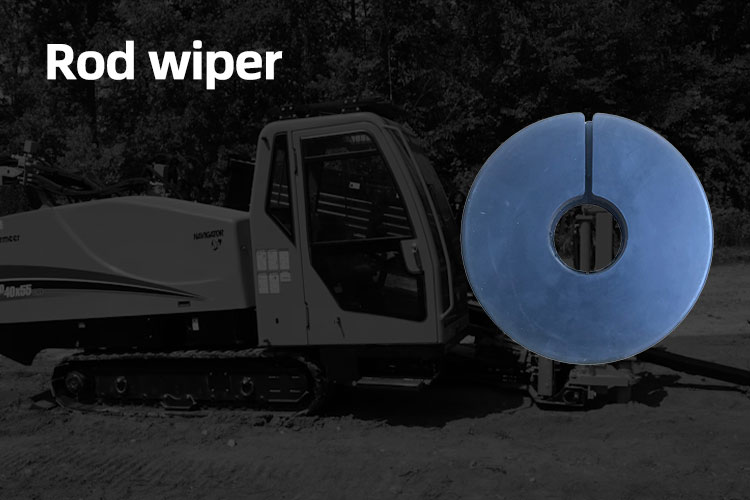
Mike shrugged and put them on. I’ll admit, I didn’t expect much. But within a few rods coming back… the difference was almost silly. Less mud on the rods, cleaner threads, and Mike’s frown actually turned into a nod. It hit me then: sometimes we overlook the simple stuff because it’s simple. But simple doesn’t mean small.
So What Are They Actually Doing? (Besides Getting Dirty)
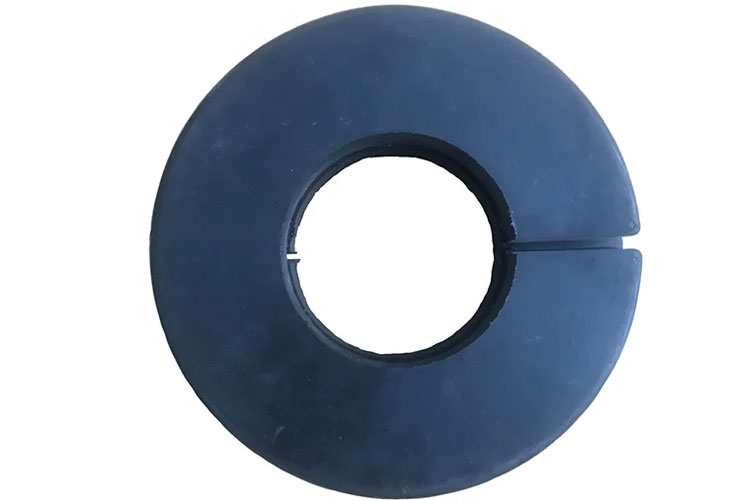
Think of a rod wiper like a hardworking doorman for your drill string. Every time a rod retracts, that wiper scrapes off mud, sand, and debris before it re-enters the rack or the drill string. It’s not just about keeping things tidy—it’s about protection.
- Thread Guard: Grit in your threads is like sand in your shoes. It wears things down fast, hurts engagement, and can even lead to breaks. A good wiper keeps threads cleaner, so they last longer and stay safer.
- Rig Health: All that abrasive junk that doesn’t get wiped off? It can find its way into your rod handler, your drive chuck, and other moving parts. Less dirt inside means fewer wear-related breakdowns.
- Smooth Moves: Clean rods glide easier. That means less strain on the rig, smoother rod handling, and honestly, a more pleasant workflow for the operator.
It’s one of those low-cost, high-impact moves—like changing your rig’s oil on time. You don’t always see the immediate payoff, but you definitely feel the pain if you skip it.
It’s Not Just a Wiper, It’s a Time Saver
Later that same day, I was chatting with Mike during a break. He said something that stuck with me: “I used to think wipers were just for keeping my hands clean. Now I realize they’re keeping my whole schedule clean.”
He wasn’t joking. Over the course of that shift, they’d cut their rod handling time noticeably. Less manual cleaning, less fuss with stuck threads, no unexpected stops to deal with a clogged rod handler. The bore kept moving forward. That’s when it clicked for me: rod wipers aren’t a “consumable” in the wasteful sense—they’re a productivity tool. They save you minutes on every rod… and those minutes add up to hours by the end of the week.
Choosing & Using Them: No Rocket Science, Just a Little Attention
You don’t need a PhD in wiperology to get this right. Here’s the plain talk:
- Material Matters: Softer wipers (like urethane) conform better for a tighter clean; harder ones last longer in abrasive ground. Match them to your soil conditions—just like you’d match a bit to geology.
- Fit is Key: It should be snug, not swimming loose and not squeezing so tight it slows the rod down. If it’s torn or looks flattened out, swap it. Don’t run it till it’s in shreds.
- Keep ‘Em On: It sounds obvious, but I’ve seen crews run without them “just for a short bore.” That’s like not wearing gloves “just for a quick weld.” It’s not worth the risk.
Treat them as part of your daily pre-start check: fluids good, bits good, wipers present and functional. It takes ten seconds and pays back tenfold.
Wrapping It Up: Small Part, Big Friend
Look, I’m not here to tell you that rod wipers are the most exciting part of HDD. They’re not. But after years in this field, I’ve learned that reliable drilling is built on a hundred small, smart choices—and this is one of them.
It’s about respecting the process, protecting your equipment, and giving your crew one less thing to fight against. So next time you’re on the rig, take a glance at those unassuming rings. Give them a quick check, replace them when they’re tired, and let them do their quiet, dirty work.
SHARE:
More Posts for You
- Machine Learning for Prediction of HDD Drill Rod Failure – What is Possible?
- How bad can a dogleg be ? HDD drill rod fatigue : what are the safe limits ?
- HDD Drill Rod Steel Price Impact on Costs: 2026 Market Outlook
- OEM vs Aftermarket HDD Drill Rods: Warranty, Liability & Performance

- How a Bent Sub or Worn Saver Sub Impacts Your Whole Drill Rod Inventory
- How Much is Your Old HDD Drill Rod Worth for Scrap? (Current Pricing Knowledge)
- 7 Deadly Sins of Handling HDD Drill Rods: Dropping, Dragging, Over-Speeding
- Urban Utility Drilling: Why Shorter, Stiffer HDD Drill Rods Are Often Better