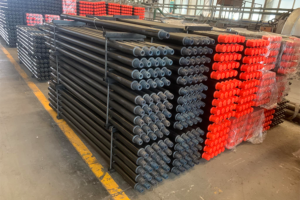
It’s Not Just the Vermeer Rig: Your Drill Rod Choice Changes Everything
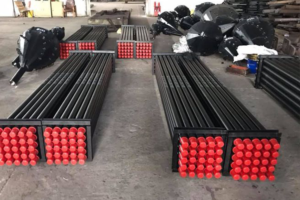
You’ve got a Vermeer rig sitting pretty on your site, and now you’re scratching your head over which HDD drill rod to pair it with. I get it—it’s like trying to pick the right shoes for a hike. Too heavy, and you’re dragging your feet; too light, and you might not make it up the trail. Let me share a bit of my own journey from the past five years as a tech sales guy in the trenchless world. Maybe it’ll save you some hassle.
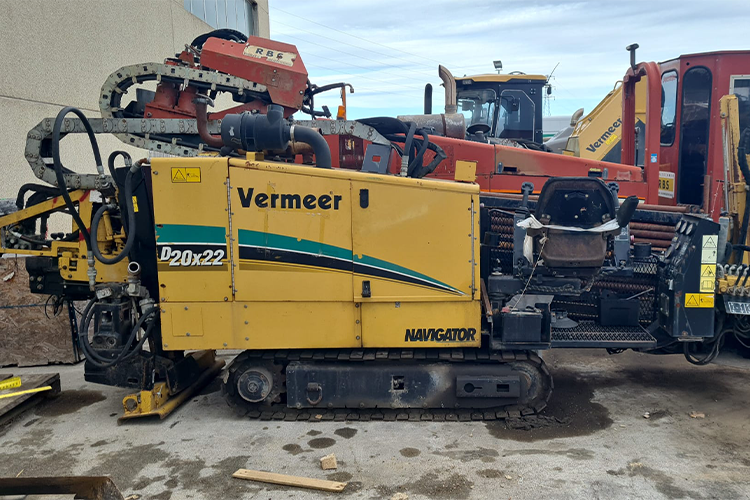
Picture this: a few years back, I got a panicked call from a buddy who runs a drilling crew. He was using a Vermeer D24x40 on a sandy, wet project, and his rods kept getting stuck. He was convinced the rig was acting up. After some back-and-forth, we realized he’d thrown on some generic, heavier rods he had lying around—thought they’d be “tougher.”
Turns out, they were overkill for the soil, and the extra weight was just bogging everything down. That was my “aha” moment: it’s not just about grabbing any rod off the shelf. It’s like matching a tool to the job, not just the machine.
Know Your Rig’s Appetite
So, let’s chat about what I’ve learned since then. First off, forget the one-size-fits-all approach. Your Vermeer rig is a beast, but it’s got its preferences. Start by checking the model specs—things like torque and pullback capacity. For instance, if you’re running a smaller Vermeer like the D10x15, you don’t want to slap on super heavy-duty rods meant for bigger machines. It’s like putting truck tires on a sedan; it might work, but you’ll feel every bump.
The Ground Tells a Story
Then, think about the ground you’re drilling into. I once saw a team in Texas struggling with hard rock using standard steel rods. They were replacing them every other week! When we switched to rods with better abrasion resistance, the difference was night and day. It’s not rocket science—just ask yourself: “Is this soil sticky, rocky, or loose?” Your rod’s material and coating can make or break your day.
Don’t Get Stuck on Price Alone
Oh, and here’s a personal gripe: don’t just go by price alone. I’ve had customers buy cheaper rods to save a buck, only to end up with more downtime from breaks or wear. It’s a classic false economy. Instead, consider the rod’s lifecycle. A slightly pricier but durable rod might outlast three sets of the cheap ones. That’s something I learned the hard way after tallying up repair costs for a client last year.
A Quick Word on Threads & Connections
One more thing—connections matter. Make sure the rod threads match your rig’s system. I remember a funny mix-up where a guy ordered rods online without checking, and they didn’t seat properly. He spent an afternoon cussing at his rig before we figured it out. A quick call to your supplier or a peek at the manual can save you a headache.
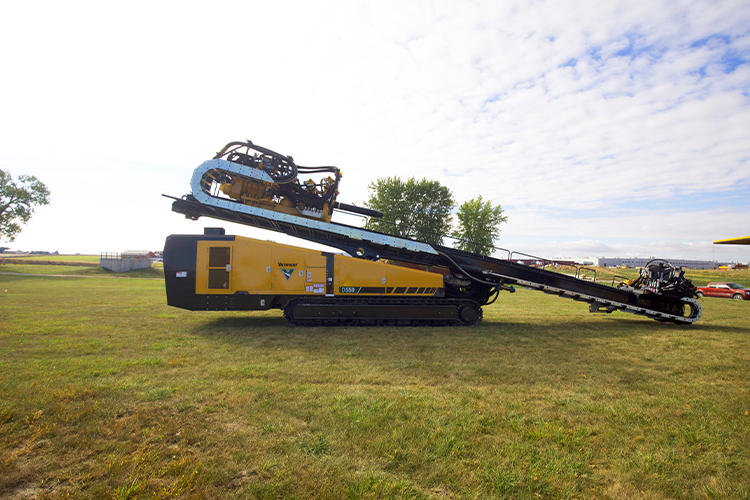
(Wrap-up) Parting Thought: It’s a Partnership
At the end of the day, picking the right drill rod is a blend of knowing your rig, your site, and a little bit of trial and error. It’s okay to experiment, but learn from folks who’ve been there. If you’ve got a story or a question, drop it in the comments—I love geeking out over this stuff. Happy drilling, and may your rods always stay straight and true!
SHARE:
More Posts for You
- Machine Learning for Prediction of HDD Drill Rod Failure – What is Possible?
- How bad can a dogleg be ? HDD drill rod fatigue : what are the safe limits ?
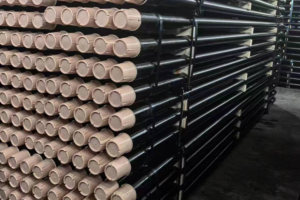
- HDD Drill Rod Steel Price Impact on Costs: 2026 Market Outlook
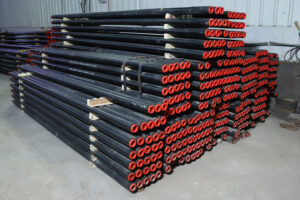
- OEM vs Aftermarket HDD Drill Rods: Warranty, Liability & Performance
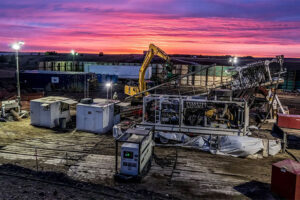
- How a Bent Sub or Worn Saver Sub Impacts Your Whole Drill Rod Inventory
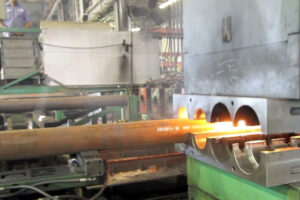
- How Much is Your Old HDD Drill Rod Worth for Scrap? (Current Pricing Knowledge)
- 7 Deadly Sins of Handling HDD Drill Rods: Dropping, Dragging, Over-Speeding
- Urban Utility Drilling: Why Shorter, Stiffer HDD Drill Rods Are Often Better